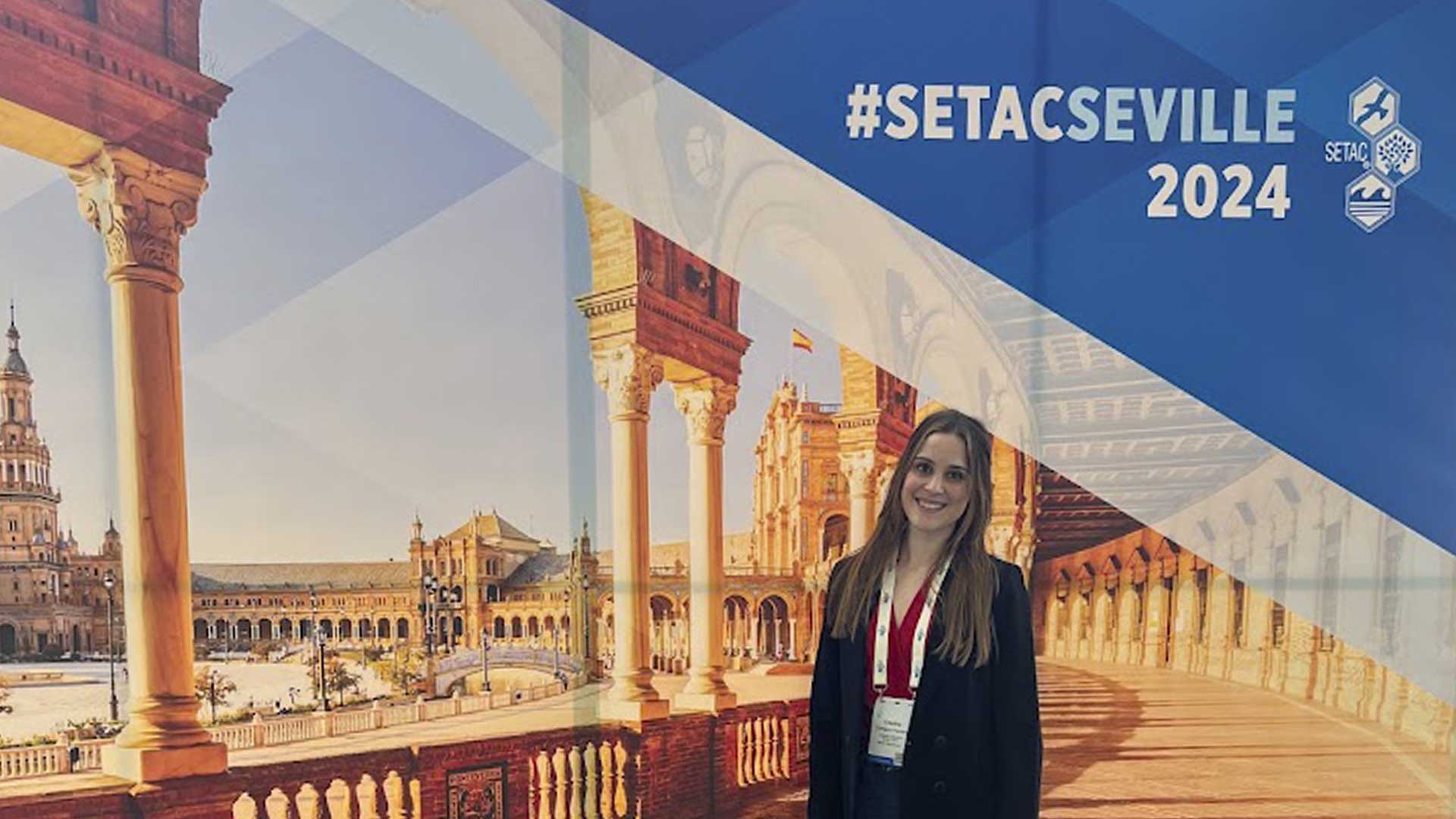
Cristina Campos, researcher of the UNESCO Chair in Life Cycle and Climate Change at ESCI-UPF, has been in Seville from 5th to 9th May as a speaker at the SETAC Europe Annual Meeting. In this article, she comments on the preliminary results of the poster and the CICEP research project, as well as her experience at the conference.
This 34th Annual Meeting of SETAC Europe (Society of Environmental Toxicology and Chemistry) in Seville brought together more than 3.000 participants and contributed greatly to making this year’s meeting the largest and most successful to date.
Cristina Campos presented her poster entitled: ‘Environmental and Social Life Cycle Assessment of Plastic Recycling and Banana Waste Valorization in the Canary Islands (Spain)’ within the framework of the CICEP project coordinated by the ULPGC and with the participation of partners from the University of Girona (UdG) and ESCI-UPF, as well as the Politecnico di Milano in the calculation of social impacts.
The poster theme was as follows:
Growing concern over plastic pollution necessitates adopting sustainable waste management practices, particularly in areas lacking proper infrastructure, like the Canary Islands. To address this, initiatives focus on recycling plastics and repurposing banana cultivation waste. Research targets reducing environmental and social impacts by recycling banana rachis and plastic caps into high-value products, aligning with circular economy principles. Life Cycle Assessment (LCA) methodology, with a cradle-to-gate perspective, evaluates this process.
The technology aims to recover both long and short fibres from banana waste for blending with plastic residues. Social Hotspot analysis identifies potential social risks. Environmental impact is assessed using the EF3.0 method and Gabi software. The study estimates the market value of rachis fibre to be between 12.24 and 15.30 million euros annually in the Canary Islands. The goal is to promote circular economy principles and waste valorization through this environmental and social LCA analysis.
In conclusion, this meeting has been highly fruitful in highlighting the importance of Life Cycle Assessment (LCA) in various industrial sectors, particularly in the field of plastics. Different methodological approaches aimed at promoting sustainability and mitigating the environmental impacts associated with this industry have been presented. This analysis has allowed the identification of effective strategies to move towards more responsible and environmentally friendly practices within the plastics sector.
→ Learn more about this poster in the SETAC 34th Annual Meeting
This publication is part of the R&D&I project TED2021-131039B-C33, funded by MCIN/AEI/10.13039/501100011033 and by the “European Union NextGenerationEU/PRTR
ESCI-UPF and Politecnico di Milano publish a joint research paper to help organisations and consumers, respectively, with policy and decision-making through the assessment of the social risks associated with different high-protein food alternatives.
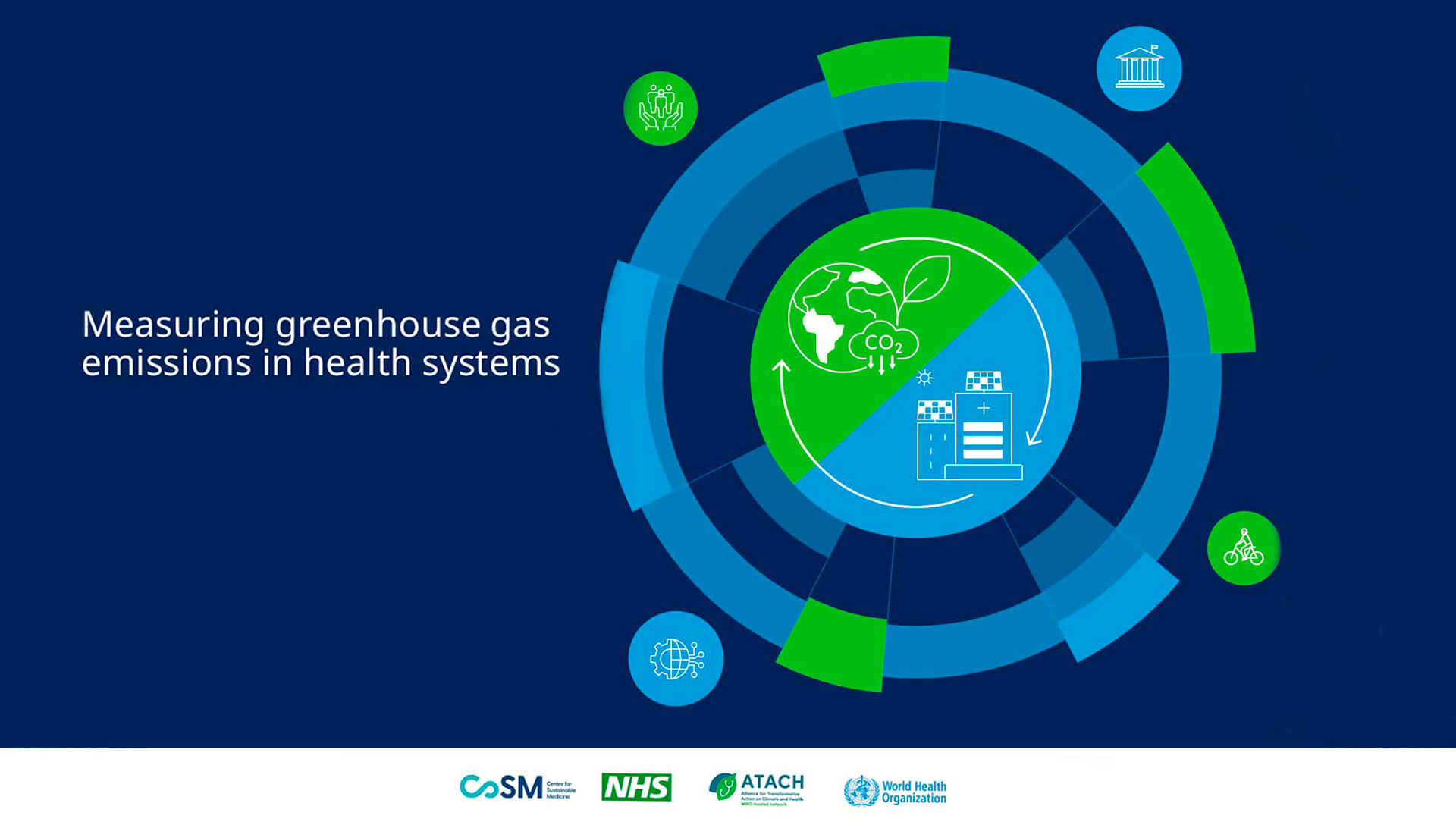
Researchers Marta Santamaría and Dr Ilija Sazdovski, from the UNESCO Chair in Life Cycle and Climate Change at ESCI-UPF, contributed to the newly released WHO guidance “Measuring greenhouse gas emissions in health systems” (World Health Organization, 2025).
The UNESCO Chair in Life Cycle and Climate Change at ESCI-UPF participated in the event “Life Cycle Management in the Transition Toward a Sustainable Agri-Food Sector”, promoted by the Red Española de ACV was held in Vic (Barcelona) on 19 and 20 November 2025.


Leave a message