ESCI-UPF Secures Observatori Social de “La Caixa” Funding for a Study on Food Education
20/03/2025
1 min reading time
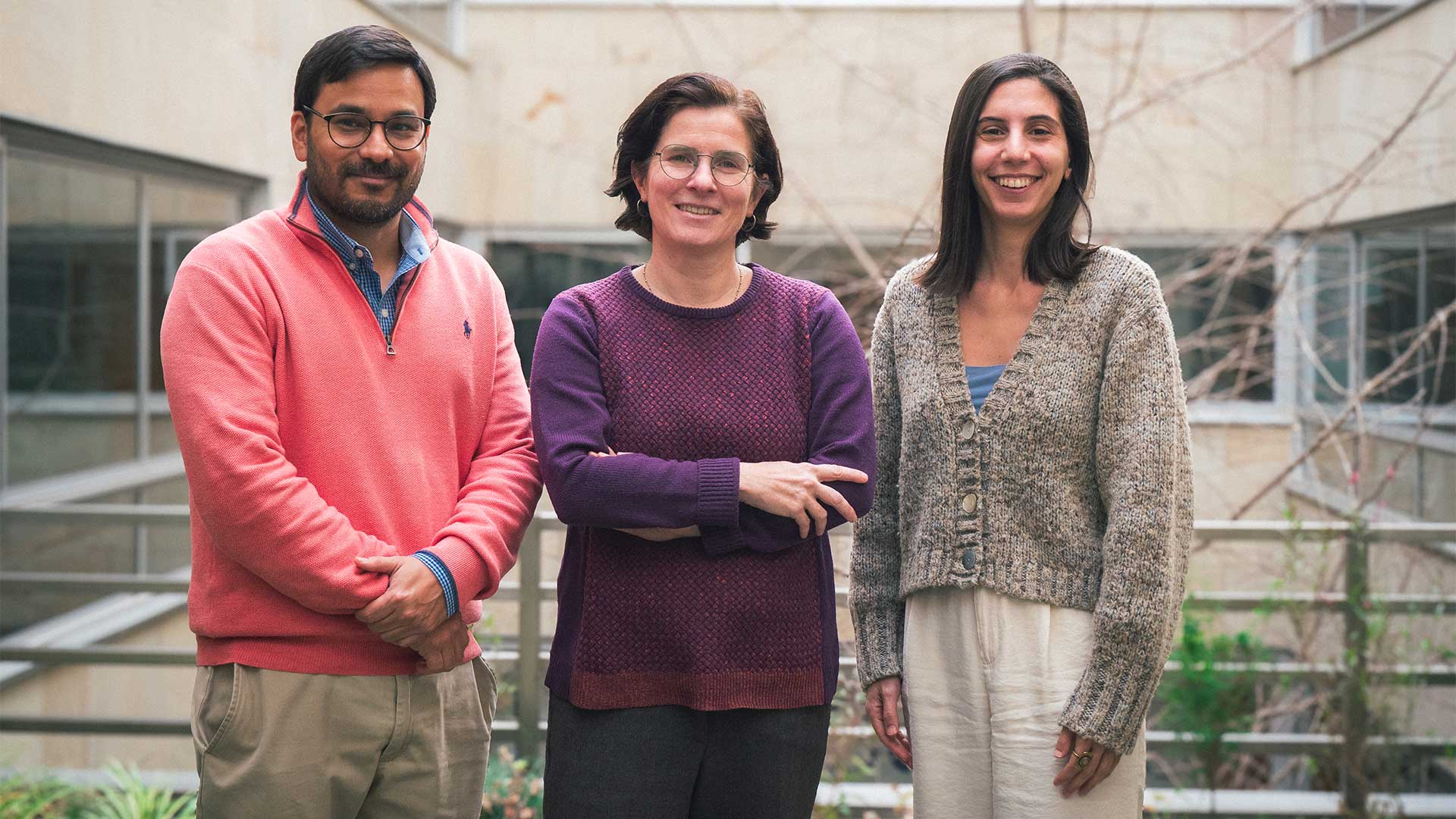
Left to right: Erick Suárez, Mercè Roca and Sandra Sinem Kaya, the ESCI-UPF researchers of the FoodEd Project funded by l'Observatori Social Fundació La Caixa. / Photo: ESCI-UPF (Martí Nogués)
ESCI-UPF has achieved a significant milestone by securing funding from the prestigious “la Caixa” Foundation's Social Observatory for the project, "Food Education in Spanish Schools: Current Practices, Challenges and Future Opportunities (FoodEd)".
“La Caixa” Foundation’s Flash Call for Quantitative Surveys in Social Sciences is a competitive scheme that supports impactful research across Spain. In this edition, a total of 219 applications were submitted, with only 10 projects ultimately selected for funding, representing a success rate of 4.6%. The FoodEd project stands out as one of these successful initiatives, highlighting the quality of its research design and proposed methods, and its social impact potential.
Among the other reputed institutions awarded funding are CSIC (Consejo Superior de Investigaciones Científicas), Universidad de Salamanca, Universidad de Málaga, Universitat Ramon Llull, Universidad Miguel Hernández de Elche, Institut d’Economia de Barcelona, and Fundación Pública Andaluza de Investigación Biosanitaria de Andalucía Oriental. See the list of projects and prestigious evaluators participating in the selection process here.
The FoodEd project aims to examine how Spanish primary and secondary schools promote sustainable and healthy eating habits among children. By conducting a comprehensive national survey, the study will provide insights into current educational practices, challenges faced by educators, and opportunities to improve food education initiatives in schools. This research is particularly relevant in the context of growing concerns about childhood obesity and the environmental impacts of the global food system.
Under the leadership of Mercè Roca, with fellow ESCI-UPF researchers Sandra Sinem Kaya and Erick Suarez, the project will delve into how variables such as school type, size, and regional differences shape food education practices. The results are expected to guide policymakers, educators, and public health authorities in designing more effective strategies to promote healthier and more sustainable diets among children.
In line with the project’s advancement, ESCI-UPF has published the official tender for the fieldwork required for this study. The contract includes the responsibilities linked to conducting the survey across Spain’s diverse educational landscape adhering to strict quality control measures to ensure reliability and robustness.
The successful completion of the FoodEd project is set to provide invaluable insights into the role of educational institutions in shaping children’s dietary habits and contributing to broader sustainability efforts. ESCI-UPF’s achievement in securing this funding underscores its commitment to impactful social science research and reinforces its role as a leader in advancing knowledge for societal progress.
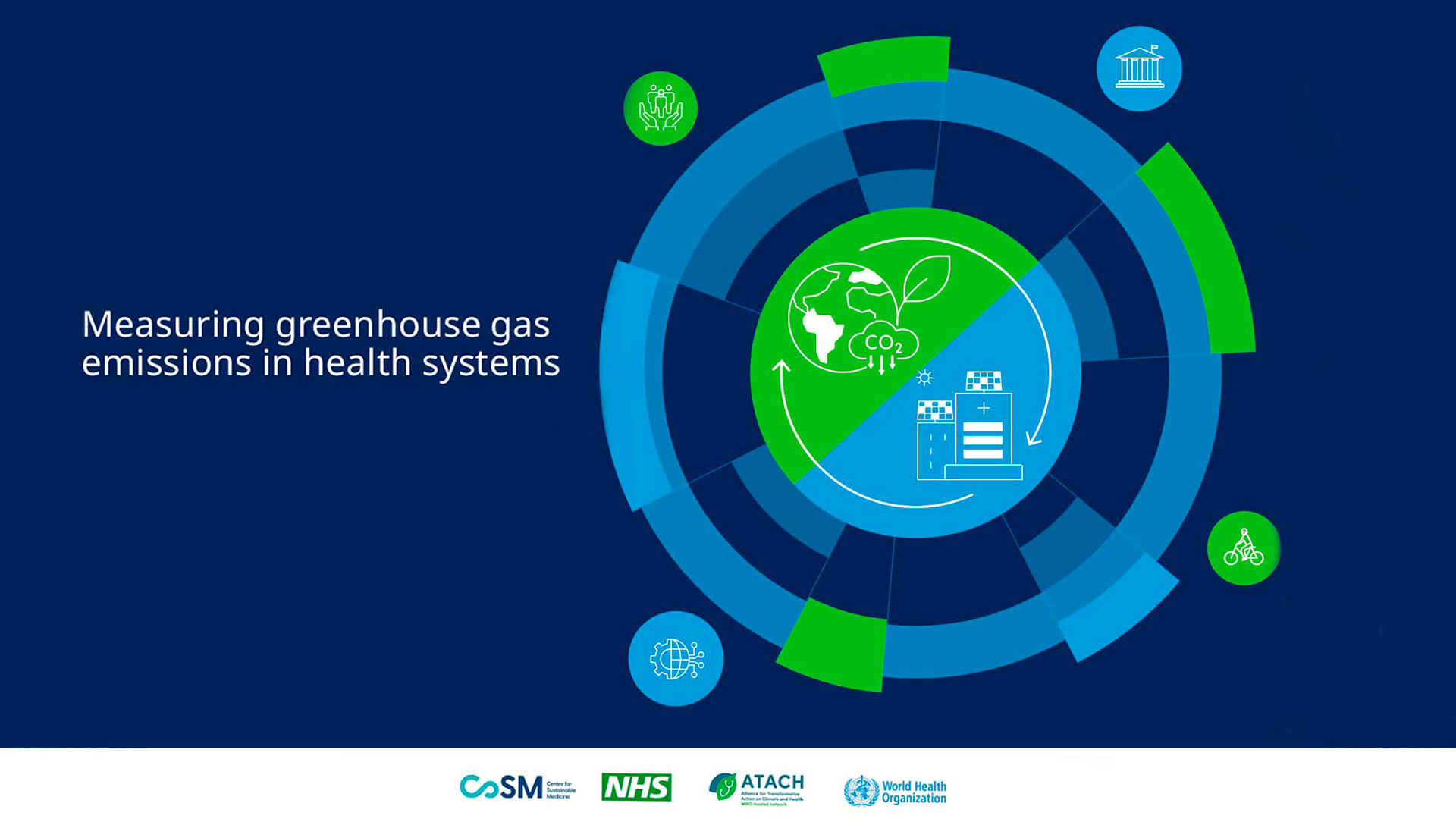
Researchers Marta Santamaría and Dr Ilija Sazdovski, from the UNESCO Chair in Life Cycle and Climate Change at ESCI-UPF, contributed to the newly released WHO guidance “Measuring greenhouse gas emissions in health systems” (World Health Organization, 2025).
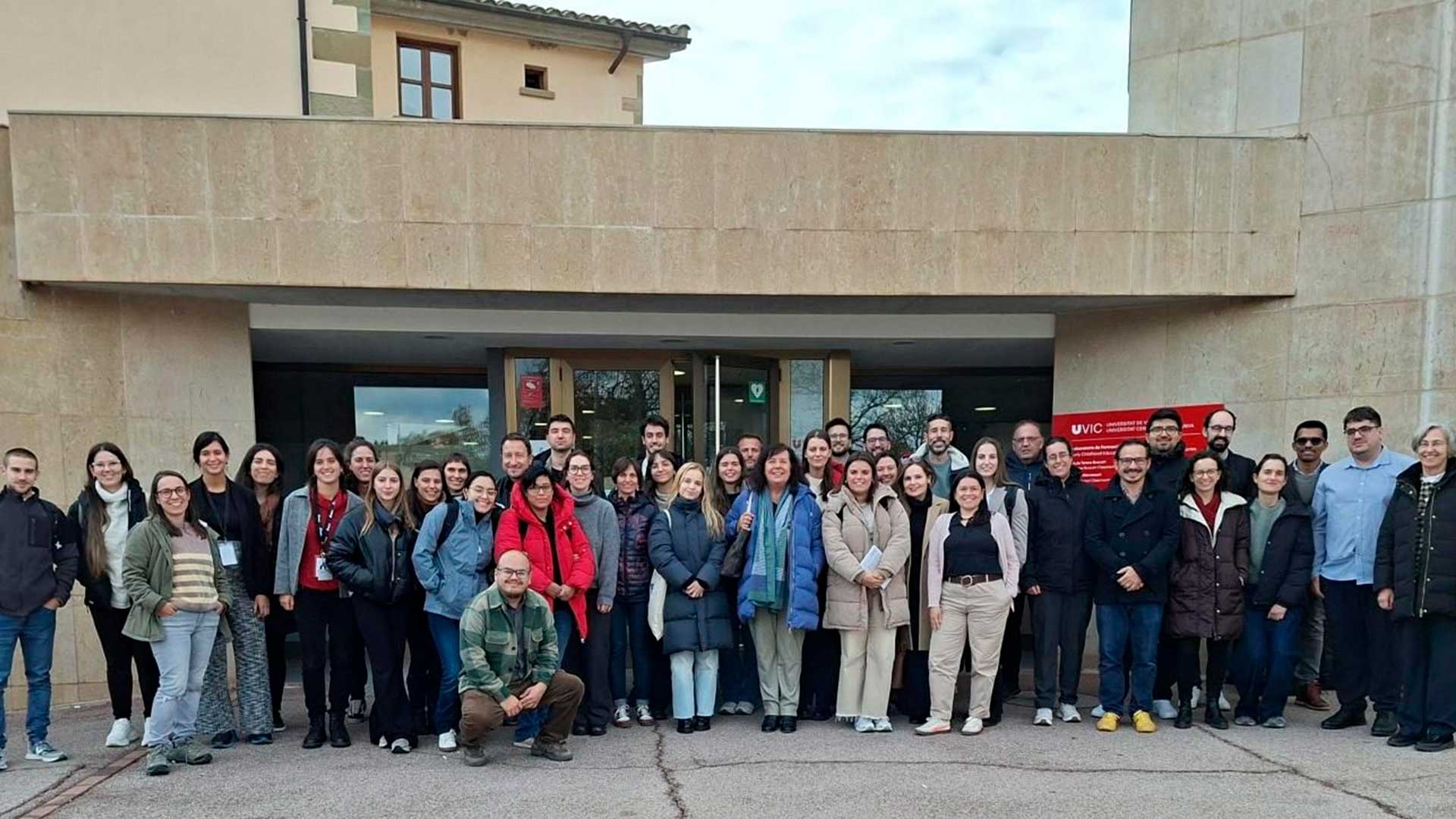
The UNESCO Chair in Life Cycle and Climate Change at ESCI-UPF participated in the event “Life Cycle Management in the Transition Toward a Sustainable Agri-Food Sector”, promoted by the Red Española de ACV was held in Vic (Barcelona) on 19 and 20 November 2025.
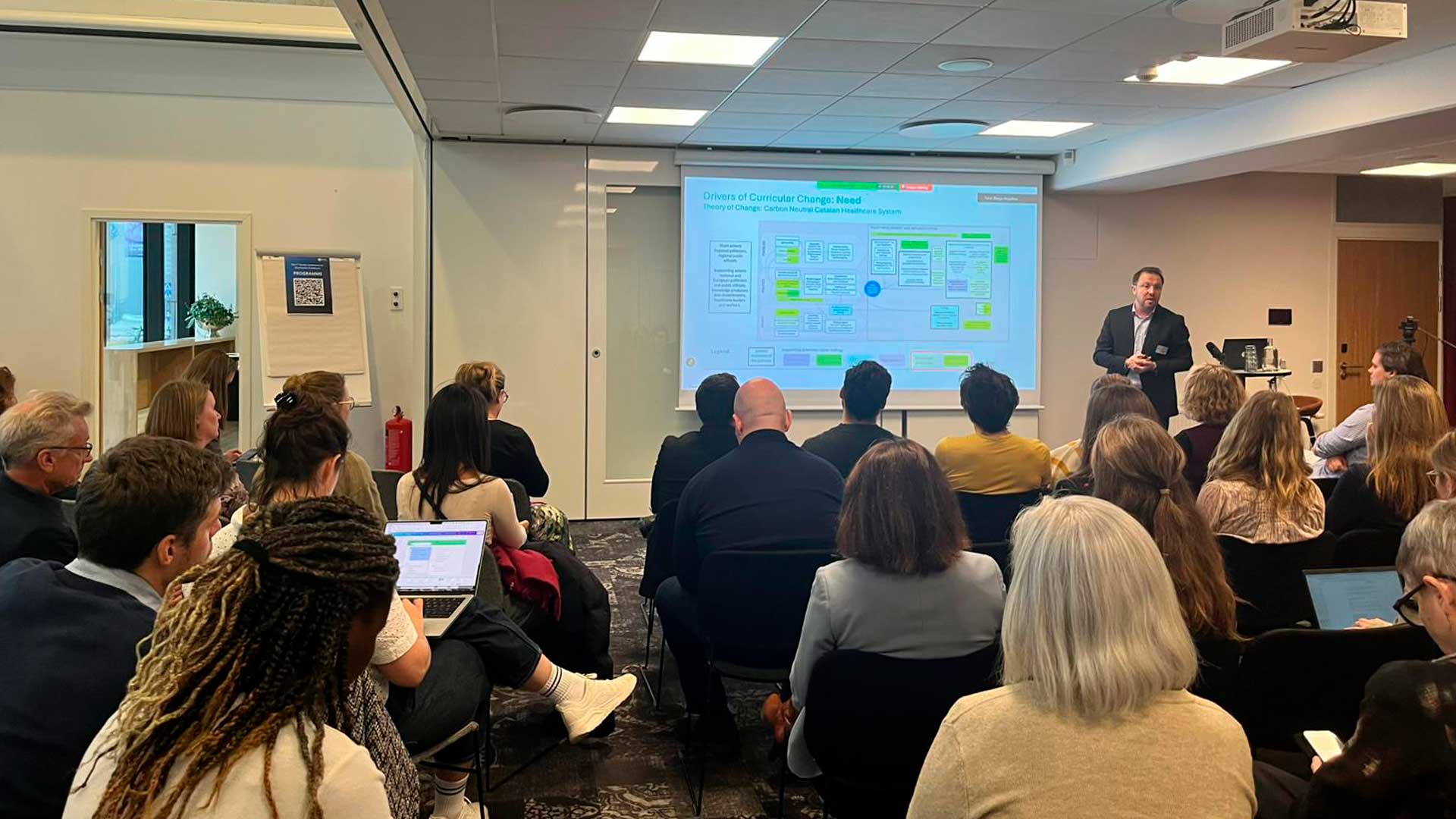
The UNESCO Chair researchers, Dr Ilija Sazdovski and Marta Santamaria Molina, took part in the 7th Nordic Conference on Sustainable Healthcare, held in Malmö on November 12.

Leave a message