ESCI-UPF and Politecnico di Milano publish a joint research paper to help organisations and consumers, respectively, with policy and decision-making through the assessment of the social risks associated with different high-protein food alternatives.
With the growing global demand for protein driven by population growth and changing diets, a new study investigates the social risk associated with different protein sources. Unlike many previous studies that focus only on health or environmental aspects, this research explores how the protein production chain impacts a set of social aspects.
The results show that social risks vary depending on the chosen functional unit (the reference quantity in which the results are based), whether using the amount needed to meet daily protein intake or by a reference fixed weight (e.g., 1 kg of product). When the assessment is based on daily protein needs, fish and seafood show the highest social risks, especially for workers and local communities. The main issues found were fair salary, non-fatal accidents, trade unionism, and biomass consumption. In contrast, plant-based products had the lowest social risks for workers.
When assessing social risks based on 1 kg of protein product produced by the sector, all four protein groups exhibit similar social risk values. Dairy products showed the highest social risks for local communities when measured by weight. These findings show how the choice of a functional unit that takes into account the service provided can change the conclusions, highlighting the need for careful analysis in food comparisons.
This study highlights the importance of including social risks in food system evaluations. It offers valuable information for creating fairer and more sustainable food policies and choices.
This work was supported by the Spanish Ministry of Science and Competitiveness. [Grant number KAIROS-BIOCIR Project PID2019- 104925RB-C33 (AEO/FEDER, UE)]. This study is an outcome of the KAIROS-BIOCIR Project.
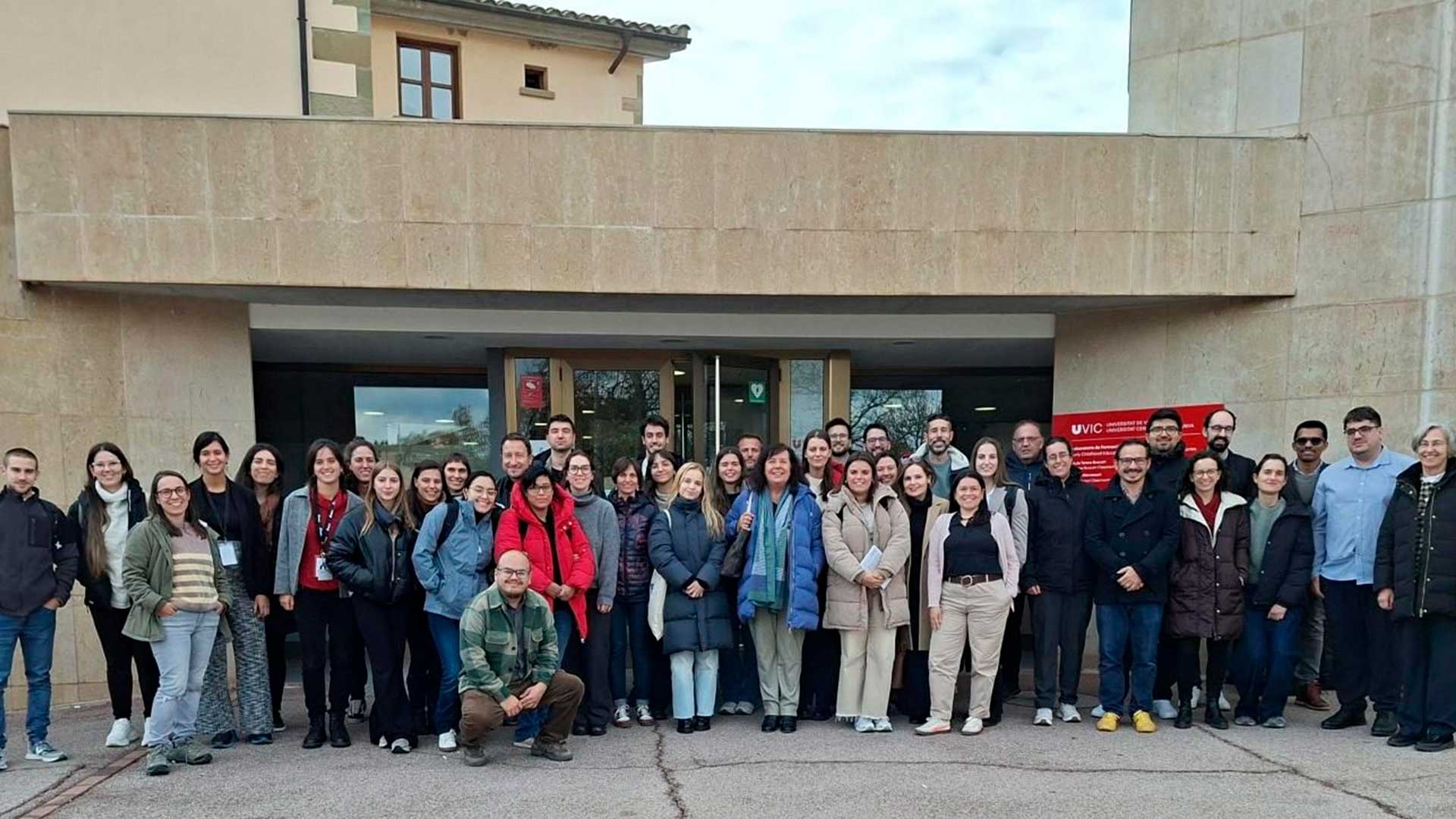
The UNESCO Chair in Life Cycle and Climate Change at ESCI-UPF participated in the event “Life Cycle Management in the Transition Toward a Sustainable Agri-Food Sector”, promoted by the Red Española de ACV was held in Vic (Barcelona) on 19 and 20 November 2025.
In a study published in the Polymers journal (MDPI), researchers of the UNESCO Chair and LEPAMAP analyse the circular quality of polymers by comparing bio-based and fossil-based polymers with the Product Environmental Footprint (PEF) methodology.
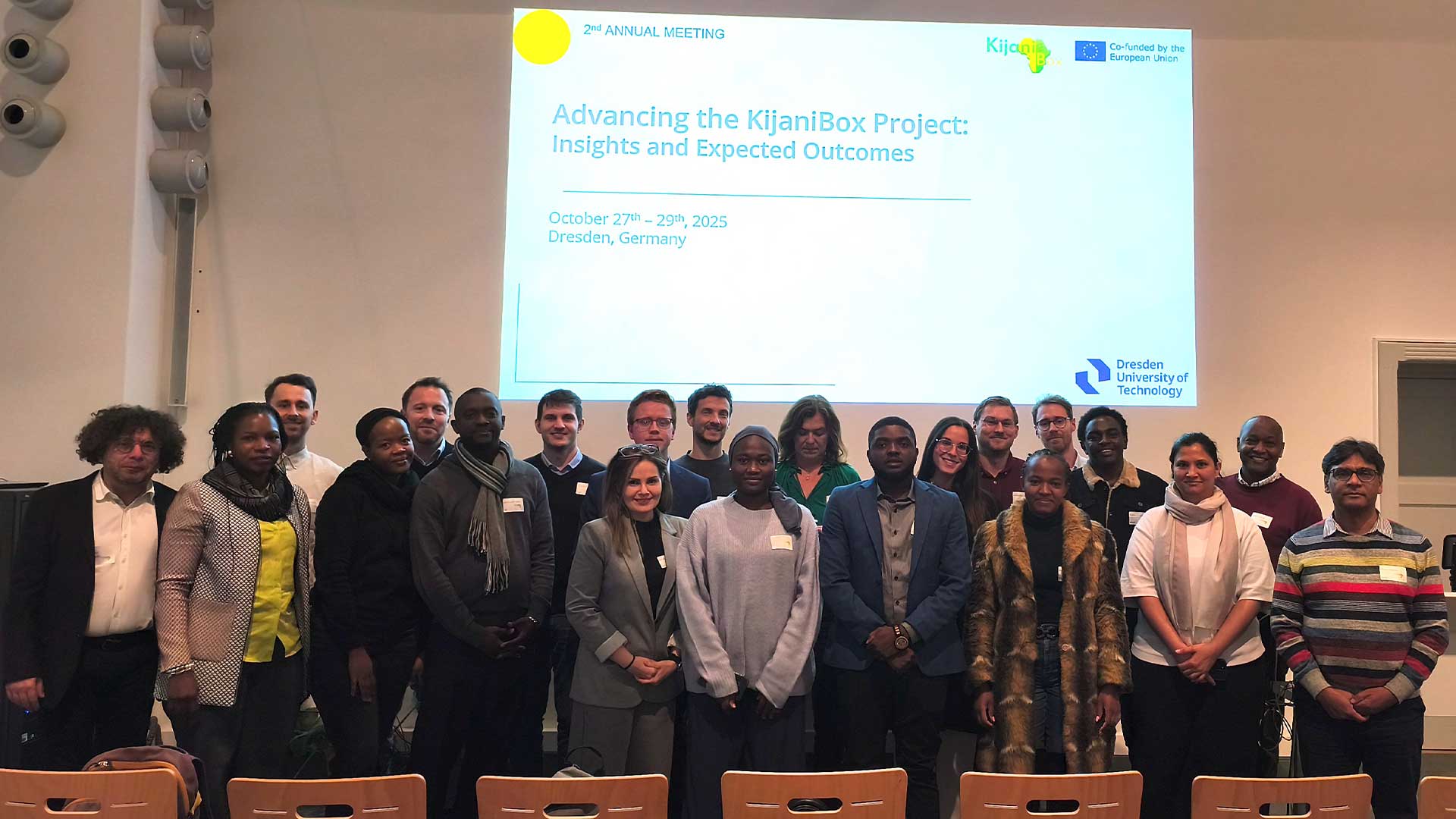
Dr Sahar Azarkamand and Dr Ilija Sazdovski, researchers at the UNESCO Chair in Life Cycle and Climate Change at ESCI-UPF, participated in the Second Annual Meeting of the KijaniBox Project, held at Technische Universität Dresden from October 27 to 30, 2025.



Leave a message