The first Collaborative Online International Learning (COIL) initiative between ESCI-UPF and ESB Reutlingen wrapped up this December.
The first Collaborative Online International Learning (COIL) initiative between ESCI-UPF’s Market Research Analytics course (Prof. Mercè Roca) and ESB Reutlingen’s Data Analysis course (Prof. Marlene Ferencz) enabled students to apply course techniques to real datasets while teaming up across countries and double-checking analytical results.
Designed as an International Research Analytics Project (IRAP), the activity paired eight student groups (2-4 students each) across both institutions. Each pair worked on common datasets and came up with a joint research agenda that combined shared and national research objectives. The programme established clear academic requirements and laid out milestones -research proposal, descriptive exploratory analysis and modelling, and final reporting- so that collaboration on task deliverables was central to the assignment.
The COIL launched with a hybrid kick-off session where both professors outlined objectives and expectations, put the pairs together, and handed out the datasets. Students had three weeks to get together and submit a research proposal; proposals were reviewed and validated before teams proceeded to exploratory analysis.
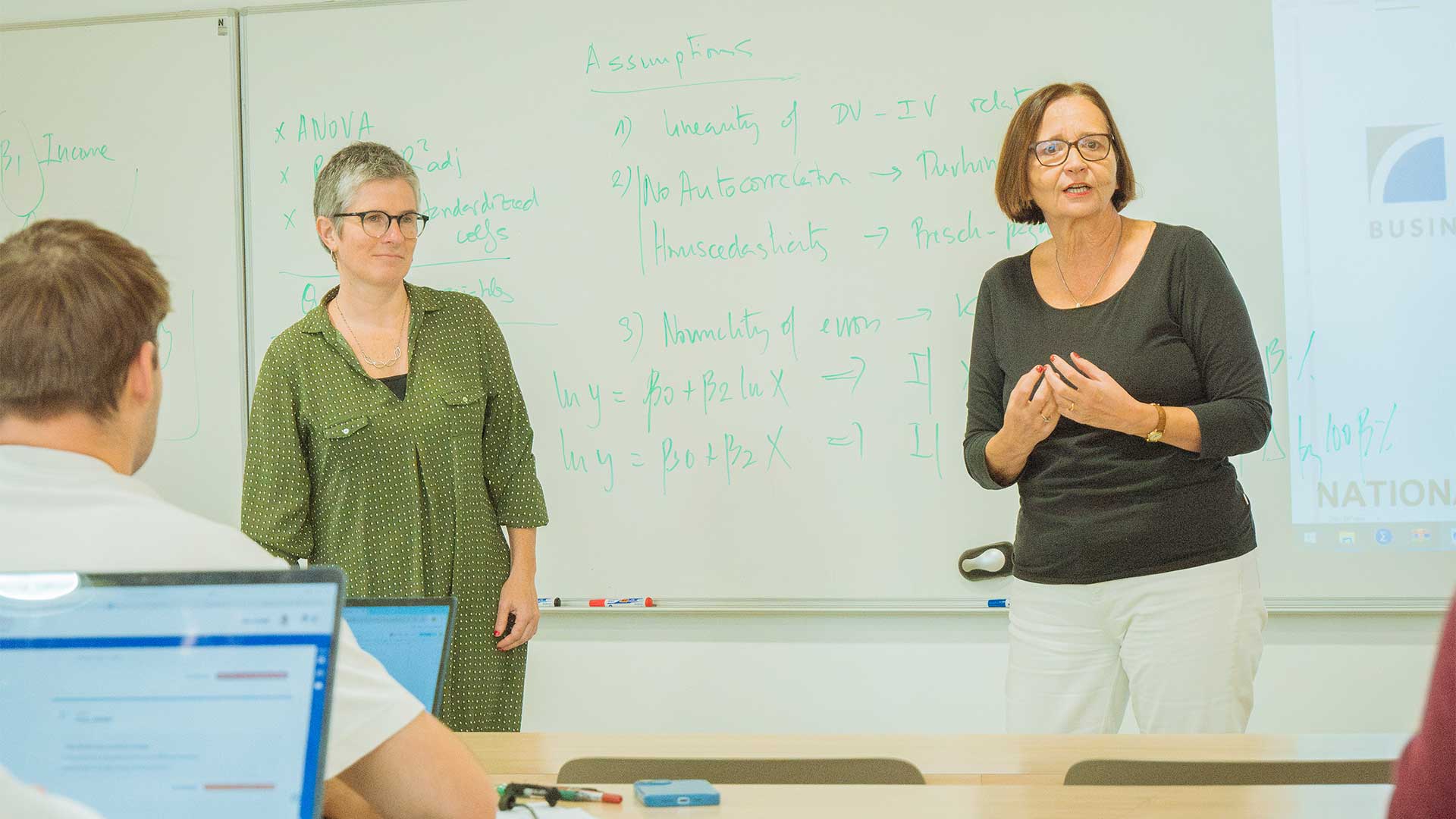
Professor Marlene Ferencz visited ESCI-UPF when students presented their descriptive analyses. A joint class provided formative feedback. Using that feedback, students tested their joint and national hypotheses and prepared final reports, due at the end of November, when Professor Mercè Roca visited ESB Reutlingen. During Roca’s visit, she sat in on the hybrid class presentations and attended the International Staff Week.
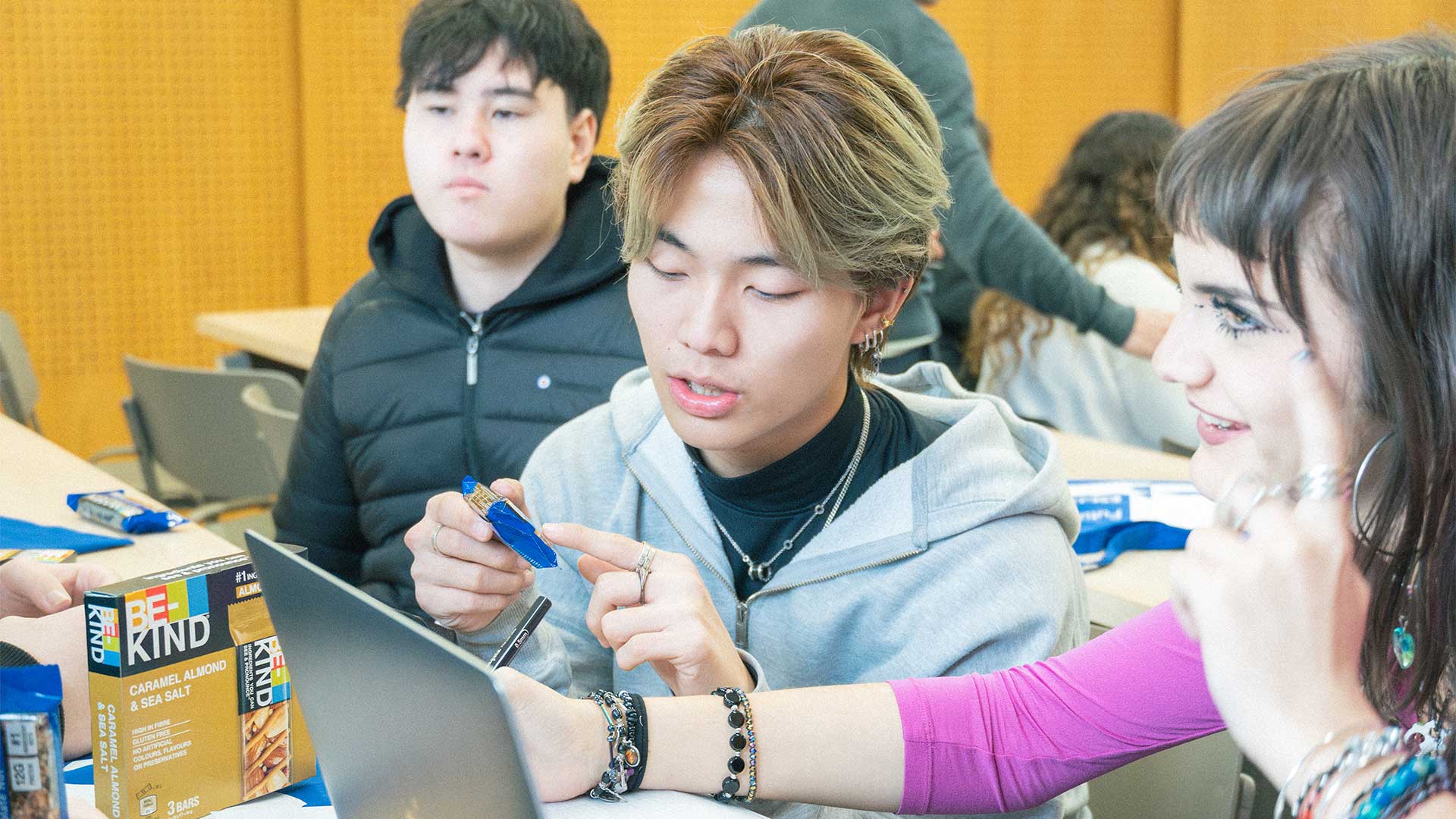
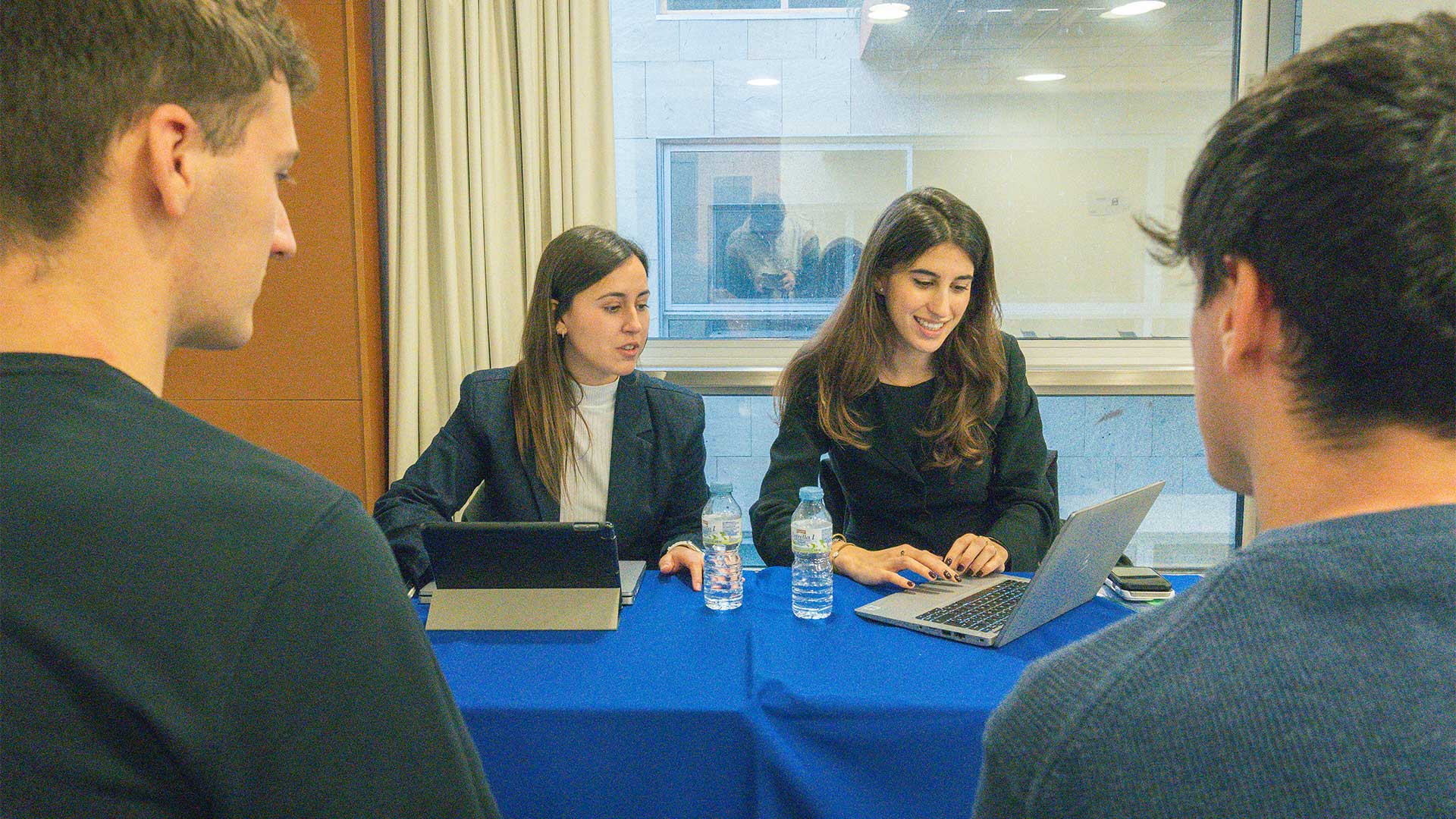
In the project presentation sessions, students showcased their main results, zooming in on validating or rejecting their hypotheses. Each presentation concluded with Q&A and peer feedback, which was also assessed. Sessions closed with a group debrief on key takeaways and potential improvements for future COIL iterations.
During ESB Reutlingen’s Staff Week, Professors Ferencz and Roca moderated a focus group with international faculty, sparking interest with other faculty and enabling comparison with other collaborative initiatives.
Feedback indicates that, despite challenges, the COIL helped students acquire interrelated competences that combine academic rigour with organisational, collaborative and communication skills. Cross-institution work required agreeing on research goals and detailed documentation of procedures, reinforcing transparency in methodological choices so results could be validated by external teams. This process encouraged reasoned selection of analytical techniques rather than default or auto-generated choices. The 7-minute oral presentation format trained students to boil down and communicate the essential message, promoting concise narrative construction and audience-tailored delivery.
Peer discussion and cross-team comparison provided immediate opportunities for critical evaluation: students confronted alternative analytic choices and interpretations, practised constructive critique, and refined conclusions in light of external feedback. The cumulative effect was consolidation of both technical (‘hard’) skills and interpersonal (‘soft’) skills -negotiation, coordination, clear and concise writing, and public speaking- relevant to international professional contexts.
For instructors, the COIL was an innovative pedagogical strategy that integrates international cooperation into regular coursework. Teaching staff gained practical insights into running collaborative deliverables and assessing both process and product. Based on this first experience, rubrics and instructions will be refined. Beyond immediate teaching benefits, the initiative opens avenues for scholarly collaboration by allowing cross-validation of methods, comparing institutional pedagogies, and seeding future co-created collaborations.


Leave a message