The researcher at the ESCI-UPF’s UNESCO Chair and professor Dr Ilija Sazdovski summarises the visit to the Barcelona Supercomputing Center with the students of the MScSUS.
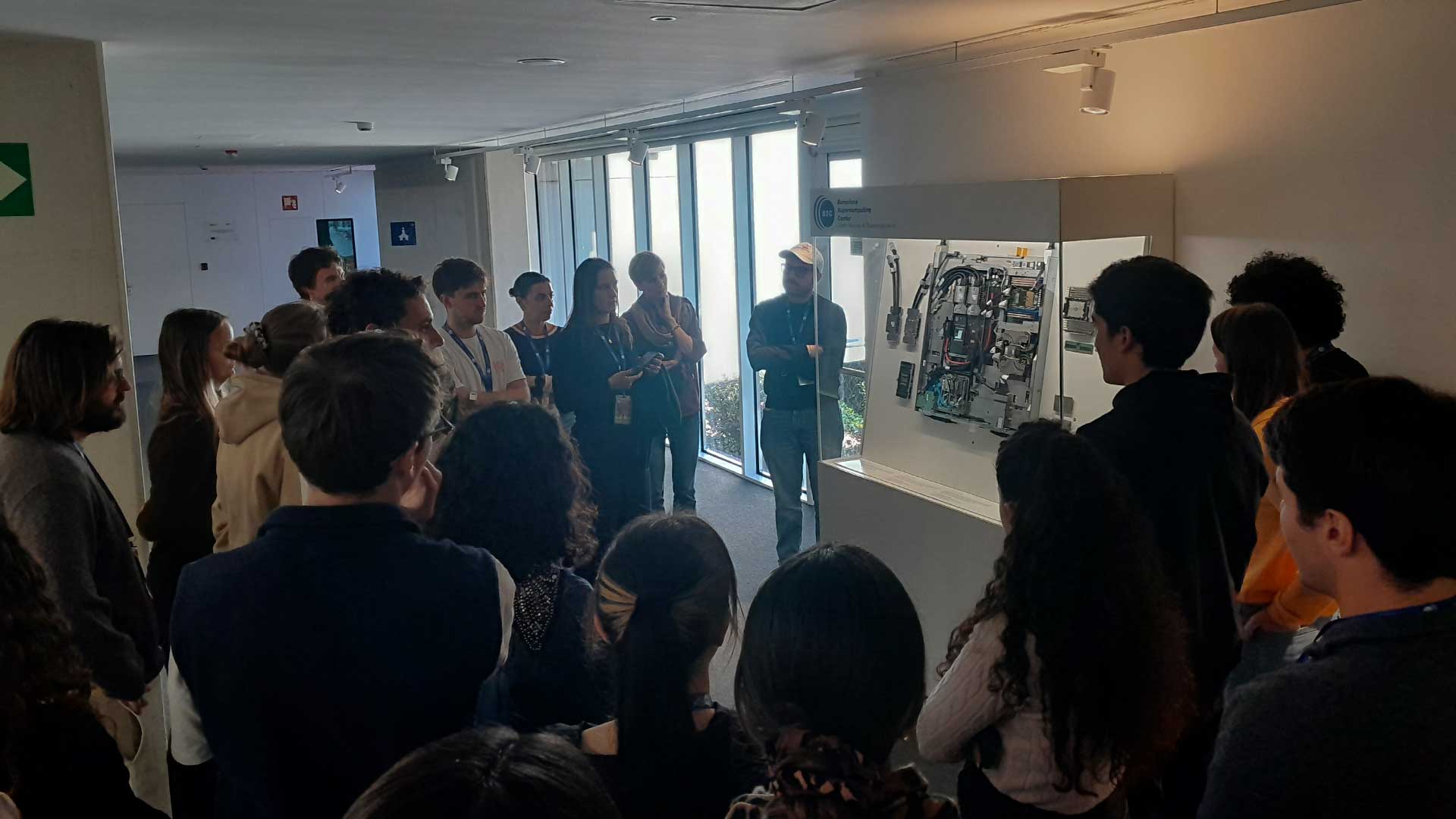
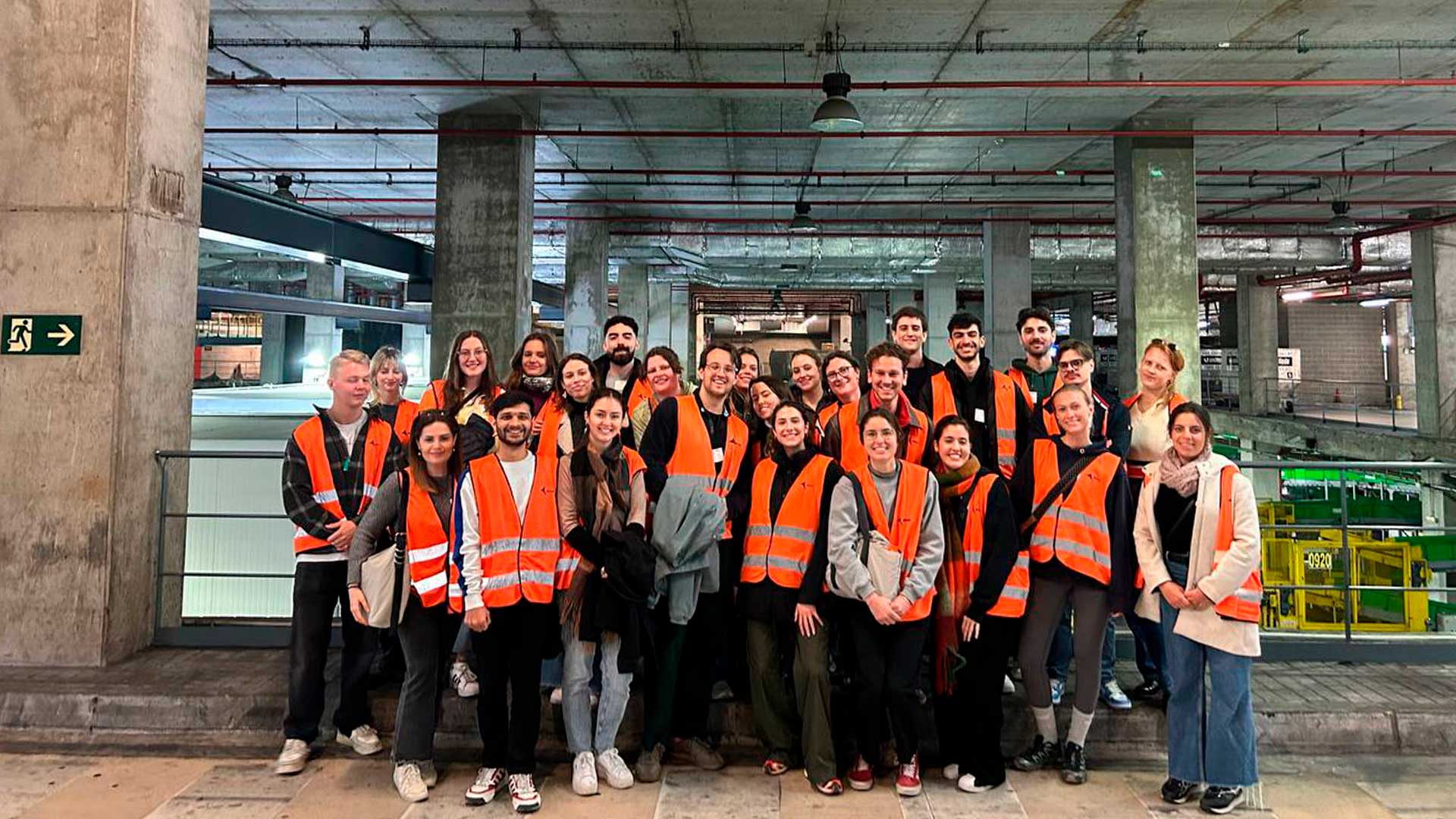
On November 28th, participants in the Master of Science in Sustainability Management, a joint programme between UPF-BSM and ESCI-UPF, stepped out of the classroom and into the world of climate science. As part of the course Climate Change: Science, Emergency, and Policy Frameworks, the group immersed itself in a field-based learning visit to the Barcelona Supercomputing Center (BSC).
The objective of the visit was to connect theoretical discussions on climate change with the scientific machinery that enables climate modelling. At BSC, students encountered the computational backbone behind global climate projections firsthand, gaining clarity on how digital models simulate Earth’s complex climate behaviour and translate data into usable insights for climate policy.
Modern climate models play a vital role in deciphering how the planet responds to anthropogenic pressures. By reconstructing atmospheric, oceanic, and land interactions, scientists can test future scenarios—answers that are essential for decision-making at urban, regional, and global scales. These simulations support the development of risk-reduction measures, guide adaptation strategies, and help societies prepare for escalating climate impacts such as coastal inundation, extreme weather and rising temperatures.
From safeguarding food systems and infrastructure to informing energy planning and disaster preparedness, the ability to forecast climate consequences allows governments, industries, and communities to design interventions that reduce vulnerability and enhance resilience. As climate disruptions intensify, improving model precision and strengthening climate services becomes indispensable for protecting natural ecosystems and the communities that depend on them.
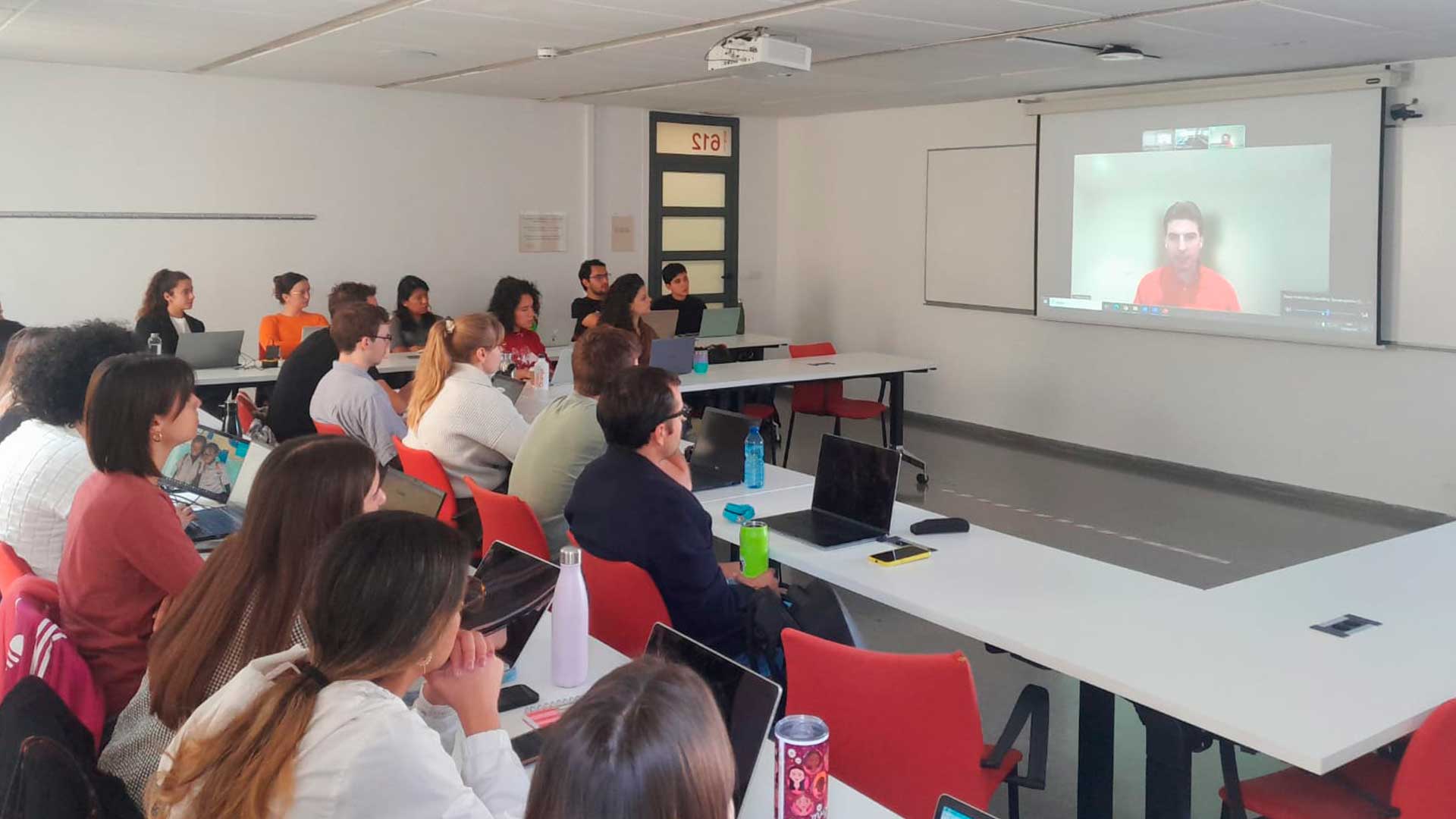
The students were welcomed by Bernardo Maraldi, Gerard Marcet Carbonell and Dr Dragana Bojovic, whose expertise shaped the learning experience.
Mr Maraldi and Mr Marcet Carbonell presented their research in the field of the impact of resolution of general circulation models on climate predictability.
Mr Marcet Carbonell presented Earth’s Energy balance and the circulation of the atmosphere. He also explained the circulation in the deepwater formation in the North Atlantic—a key driver of global ocean circulation.
Mr Maraldi explored the climatic influence of human-generated emissions beyond greenhouse gases. Their joint lecture unpacked the intricacies of Earth System Modelling, demonstrating how these tools trace climatic shifts back to human activity. He also stressed that continual refinement of these models sharpens our ability not only to interpret ongoing warming trends, but to anticipate climate risks with greater confidence.
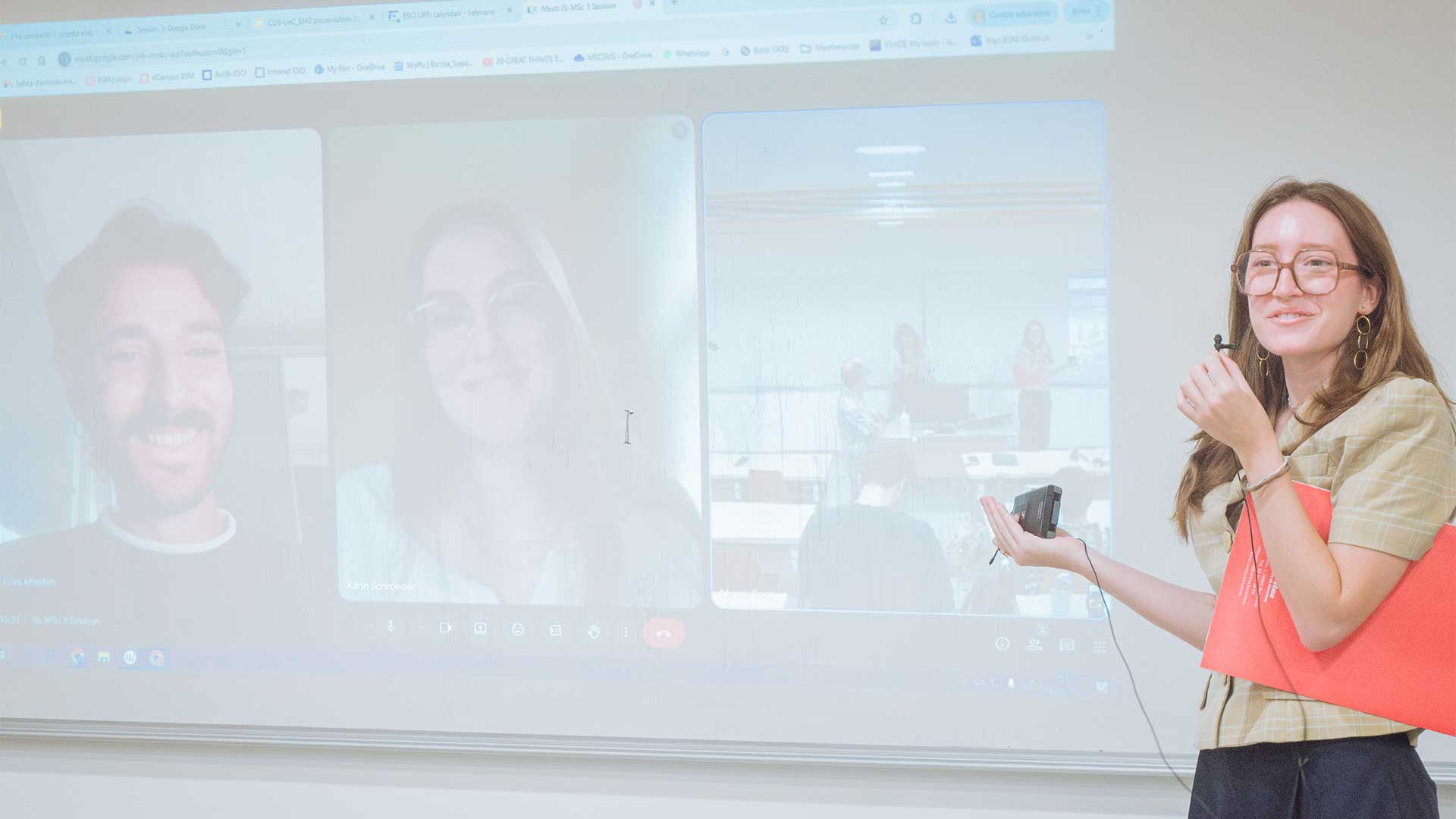
Dr Bojovic shifted the conversation towards collaborative, transdisciplinary approaches to adaptation. She illustrated how co-producing climate knowledge with stakeholders leads to more meaningful and actionable climate services. Concrete examples highlighted the real-world application of such services—from agricultural planning in Malawi and Tanzania to solutions designed for Arctic Finland and energy-sector decision-making.
The visit culminated in a guided tour of MareNostrum, Spain’s most iconic supercomputer. Standing before one of Europe’s most advanced engines of scientific computation gave students a tangible sense of the scale and technological power driving contemporary climate research.
We extend our sincere gratitude to our hosts for their time, openness, and expertise. Their contribution greatly enhanced the learning journey and deepened the students’ understanding of climate science in practice.

Leave a message