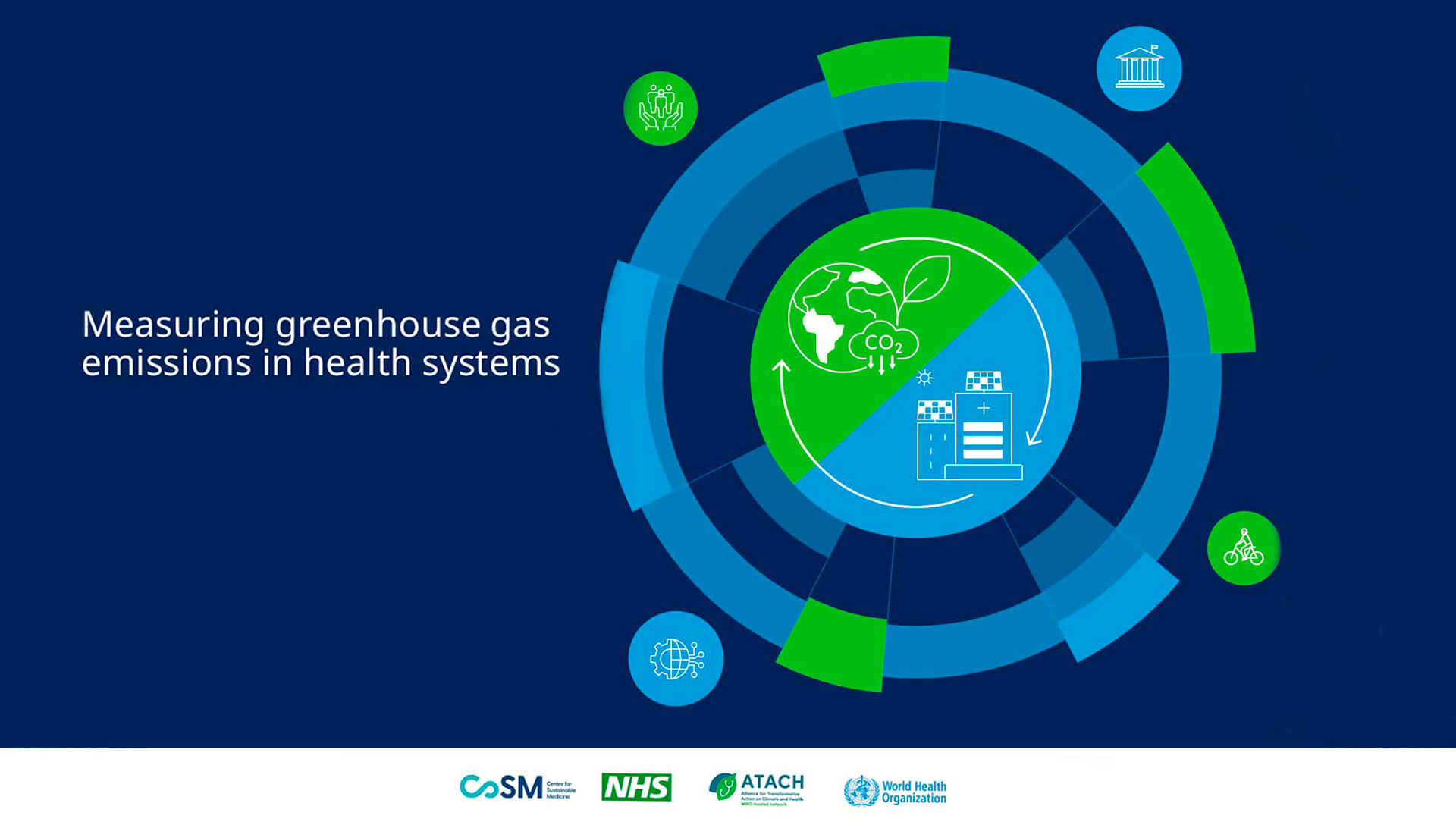
The document provides a practical and harmonised methodology for estimating GHG emissions across health systems, offering guidance on data sources, calculation approaches, reporting boundaries, and alignment with international standards such as the GHG Protocol and ISO frameworks. It serves as a foundational tool to support countries and health organisations in developing evidence-based mitigation strategies and tracking progress towards low-carbon, climate-resilient health systems.
This guidance aims to:
Strengthen the capacity of health systems to measure and monitor emissions consistently
Support national and subnational health authorities in identifying key emission sources and prioritising mitigation actions
Facilitate international comparability and knowledge exchange across healthcare organisations
Enhance transparency and accountability in climate action within the health sector
This publication is framed within the WHO ATACH initiative (Alliance for Transformative Action on Climate and Health), which works to accelerate the decarbonisation and resilience of global health systems. The Chair’s involvement reflects its broader expertise in environmental assessment and mitigation strategies for the healthcare sector.
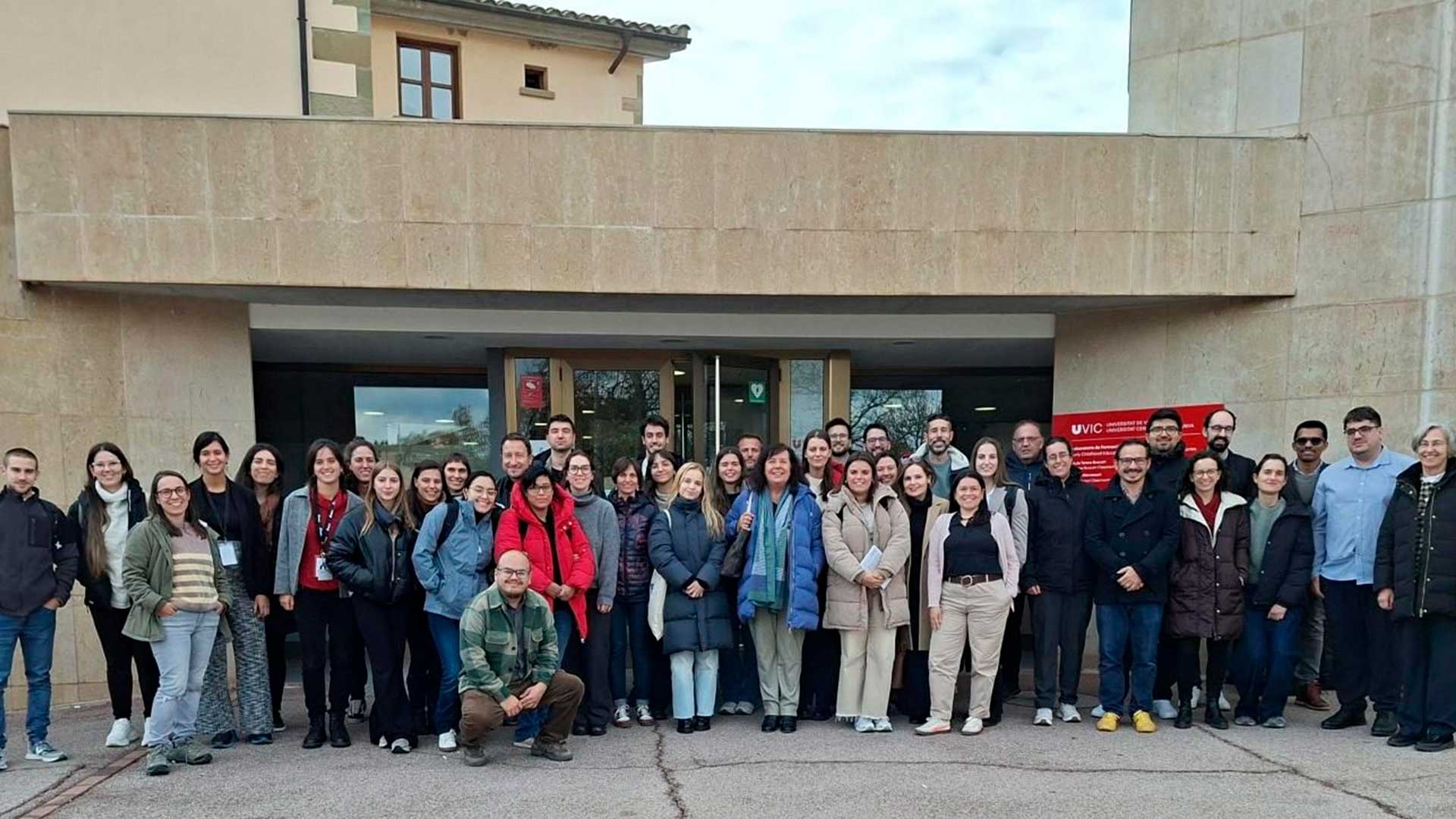
The UNESCO Chair in Life Cycle and Climate Change at ESCI-UPF participated in the event “Life Cycle Management in the Transition Toward a Sustainable Agri-Food Sector”, promoted by the Red Española de ACV was held in Vic (Barcelona) on 19 and 20 November 2025.
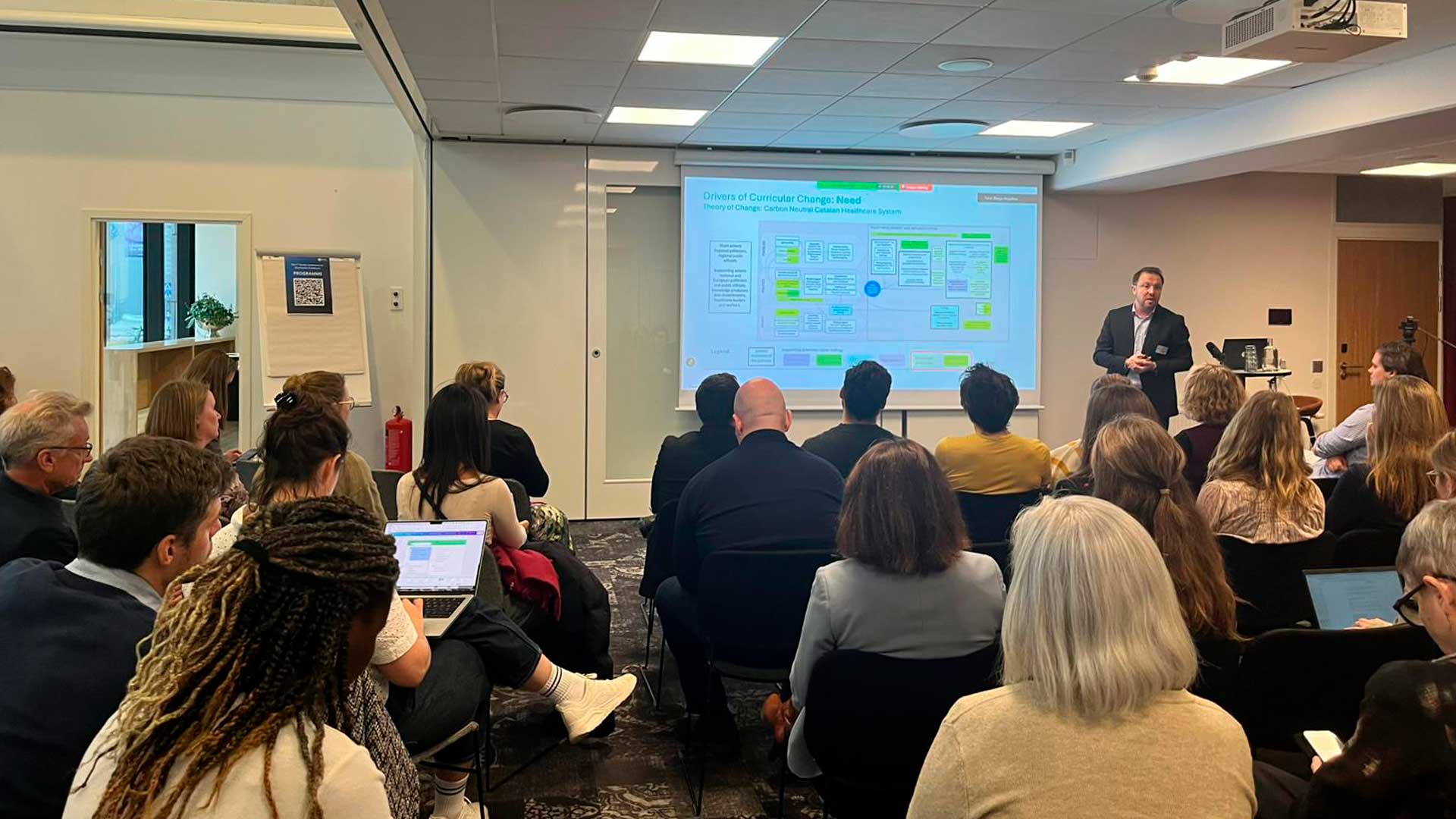
The UNESCO Chair researchers, Dr Ilija Sazdovski and Marta Santamaria Molina, took part in the 7th Nordic Conference on Sustainable Healthcare, held in Malmö on November 12.
Dr Sahar Azarkamand and Dr Ilija Sazdovski, researchers at the UNESCO Chair in Life Cycle and Climate Change at ESCI-UPF, participated in the Second Annual Meeting of the KijaniBox Project, held at Technische Universität Dresden from October 27 to 30, 2025.


Leave a message