LCA4Climate Participates in the LCAFood 2024 International Conference
06/09/2024
1 min reading time
Image: LCAFood 2024
Between September 8th and 12th, Barcelona will host the LCAFood 2024 International Conference. With over 30 years of history, LCAFood has become the world’s leading forum on sustainable food. It reunites hundreds of environmental professionals from multiple sectors to share and advance food Life Cycle Assessments (LCA) and related tools.
The current edition will revolve around food systems and how the changes in the world’s diets have impacted health, society and the environment. It will also focus on the generation of waste and food loss caused by overconsumption and how applying LCA analysis could help identify the value chain processes, measure its sustainability from environmental, social and economic perspectives, and improve the food systems.
IRTA (Institut de Recerca i Tecnologia Agroalimentàries), Generalitat de Catalunya, and Universitat de Barcelona are this edition’s organisers, who have counted on the support of a local scientific organising committee of which Alba Bala, Executive Director at the UNESCO Chair in Life Cycle and Climate Change at ESCI-UPF, has been part of.
The ESCI-UPF’s UNESCO Chair researchers will also actively participate in the congress. Alba Bala will chair the conference “Combined Nutritional and Environmental Assessment of Foods and Diets (II)” and the round table “Sustainable Food Systems: What, Why, and How?”. Moreover, Sahar Azarkamand will present a poster on environmental perspectives on wine packaging as part of the GO REBO2VINO project. Cristina Campos will also lead the presentation of the CICEP project on circular economy for food and environmental sustainability.
ESCI-UPF and Politecnico di Milano publish a joint research paper to help organisations and consumers, respectively, with policy and decision-making through the assessment of the social risks associated with different high-protein food alternatives.
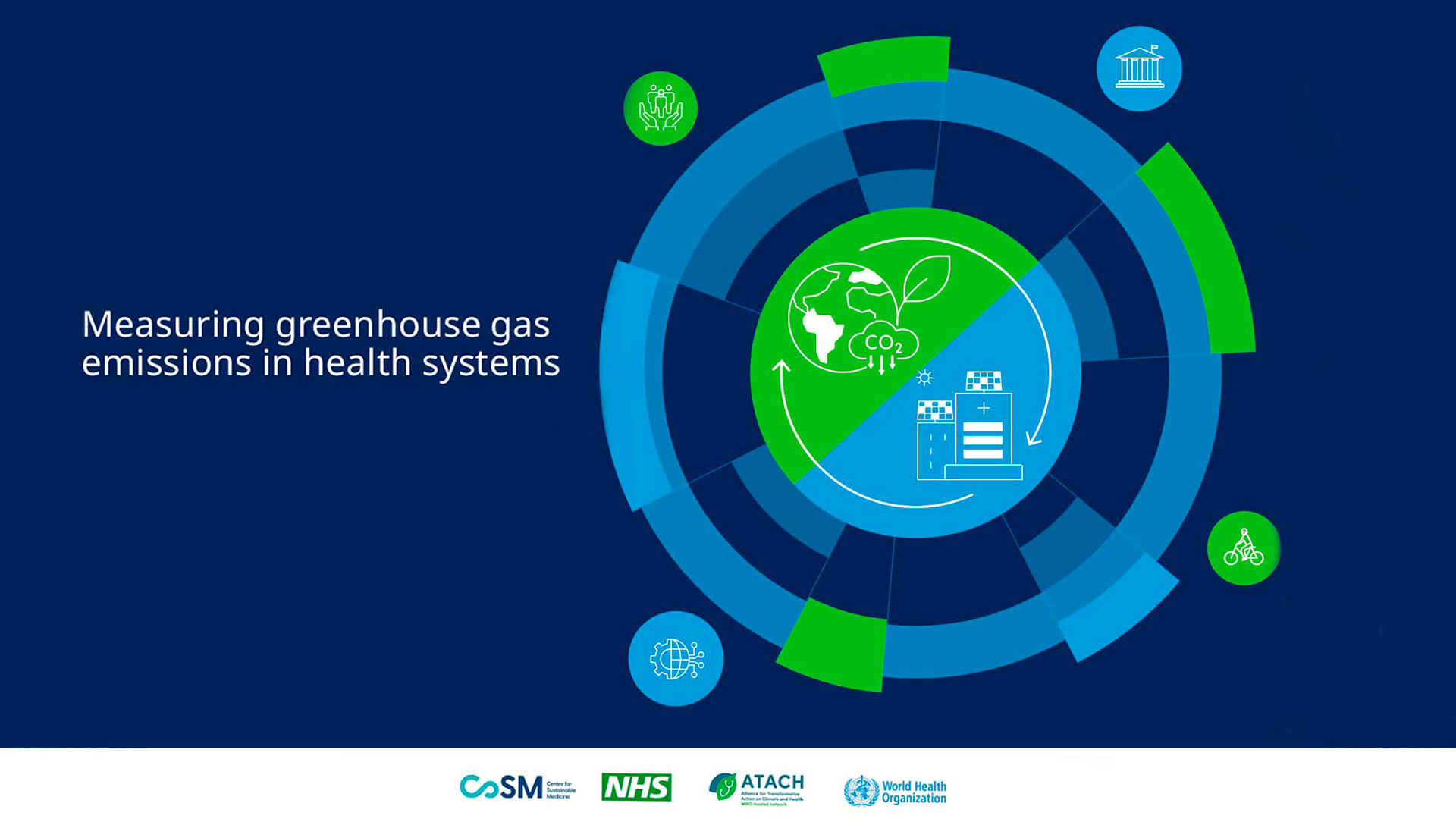
Researchers Marta Santamaría and Dr Ilija Sazdovski, from the UNESCO Chair in Life Cycle and Climate Change at ESCI-UPF, contributed to the newly released WHO guidance “Measuring greenhouse gas emissions in health systems” (World Health Organization, 2025).
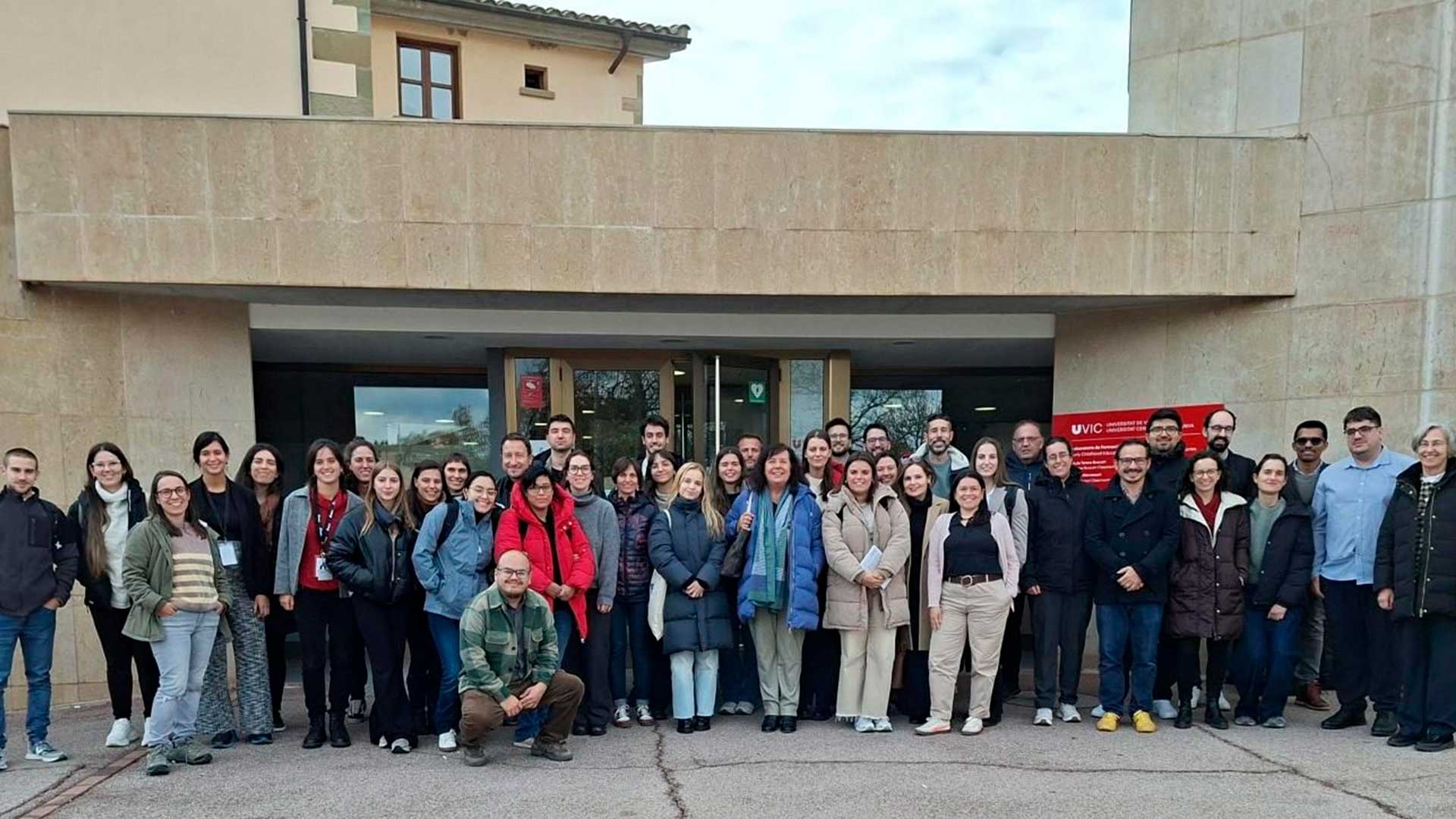
The UNESCO Chair in Life Cycle and Climate Change at ESCI-UPF participated in the event “Life Cycle Management in the Transition Toward a Sustainable Agri-Food Sector”, promoted by the Red Española de ACV was held in Vic (Barcelona) on 19 and 20 November 2025.


Leave a message