New Study Explores Sustainable End-of-Life Solutions for Wood Waste
02/04/2024
1 min reading time
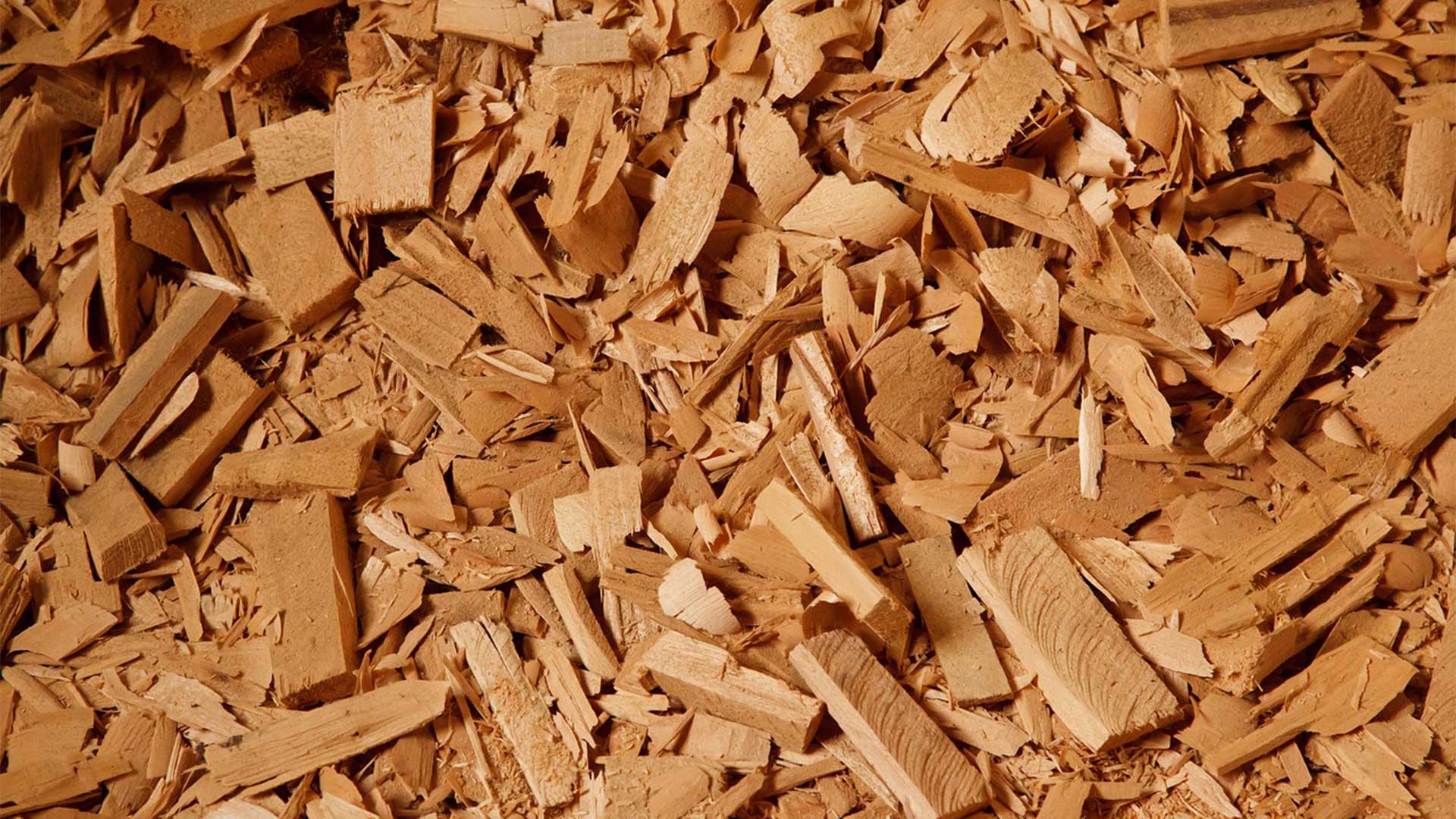
Photo: Pixabay (PublicDomainPictures)
Researchers affiliated with the UNESCO Chair in Life Cycle and Climate Change from ESCI-UPF and the Swiss company Deasyl, which provides innovation in the green chemistry field, have published a pioneering study in open access titled “Wood Chips Components Separation with a New Wet-Milling Process Compared to Chemical Depolymerization: A Technical, Economic, and Environmental Comparison”.
The collaborative effort involved other researchers from the University of Girona, WAB-Group, and the University Pompeu Fabra, highlighting a multidisciplinary approach to address pressing environmental challenges from academic and private perspectives and assessing both the environmental and economic impacts.
The research evaluates two key processes, wet milling and chemical depolymerization, for handling wood waste at its end-of-life stage. Through ex-ante life cycle assessment, energy balance analysis, and economic evaluation. The study’s findings hold significance for industry stakeholders, policymakers, and researchers involved in the management and valorisation of wood waste. By offering a comprehensive evaluation of two key processes, it contributes to the ongoing discourse on sustainable waste management strategies. The insights provided pave the way for informed decision-making towards more environmentally friendly industrial practices.
This research represents a vital component of Sergi Arfelis’ PhD thesis in Life Cycle Assessment, focusing on the industrialization of chemical and mechanochemical processes. It sets the stage for further exploration and optimization of sustainable end-of-life solutions for various industrial waste streams.
ESCI-UPF and Politecnico di Milano publish a joint research paper to help organisations and consumers, respectively, with policy and decision-making through the assessment of the social risks associated with different high-protein food alternatives.
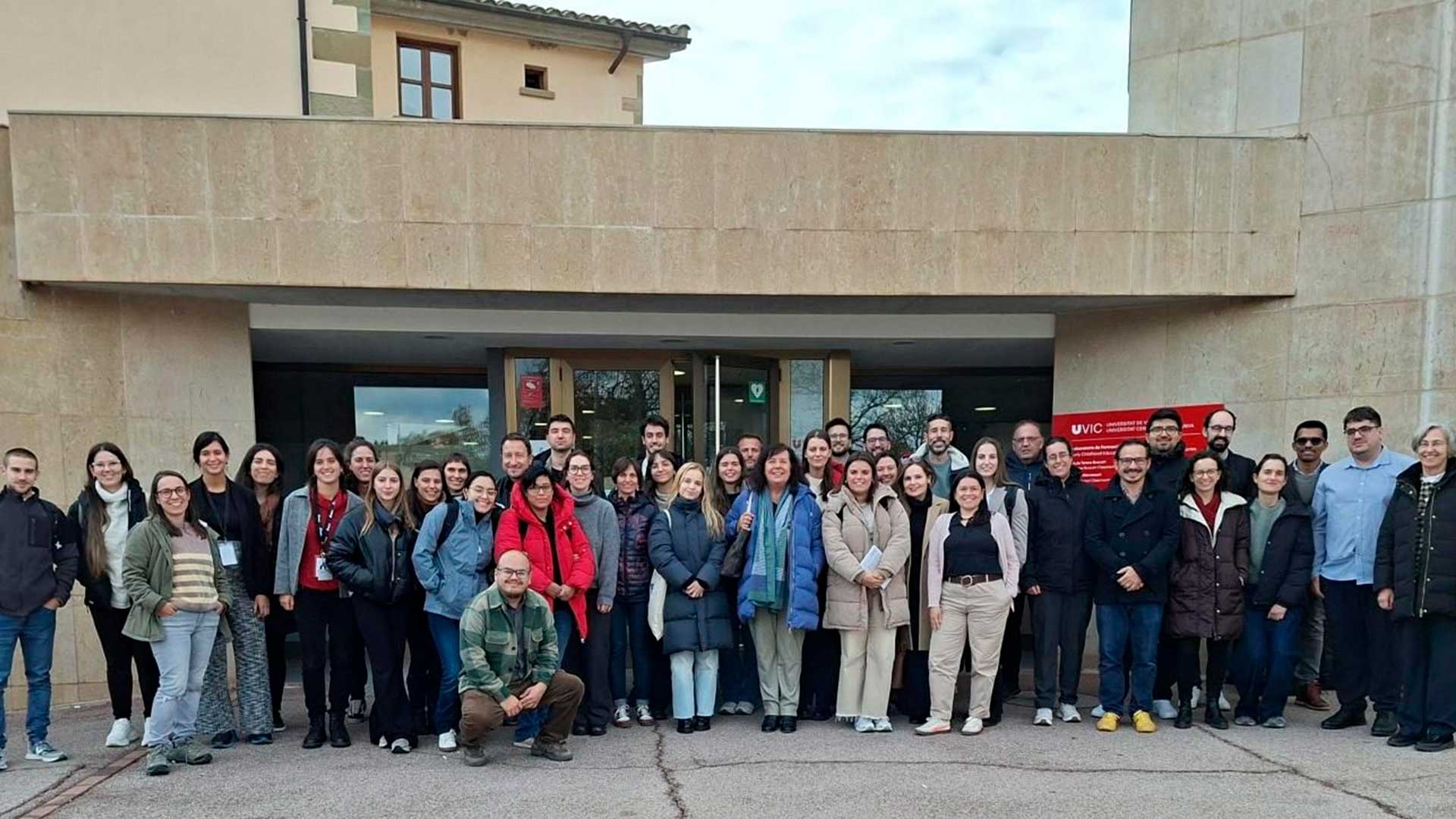
The UNESCO Chair in Life Cycle and Climate Change at ESCI-UPF participated in the event “Life Cycle Management in the Transition Toward a Sustainable Agri-Food Sector”, promoted by the Red Española de ACV was held in Vic (Barcelona) on 19 and 20 November 2025.
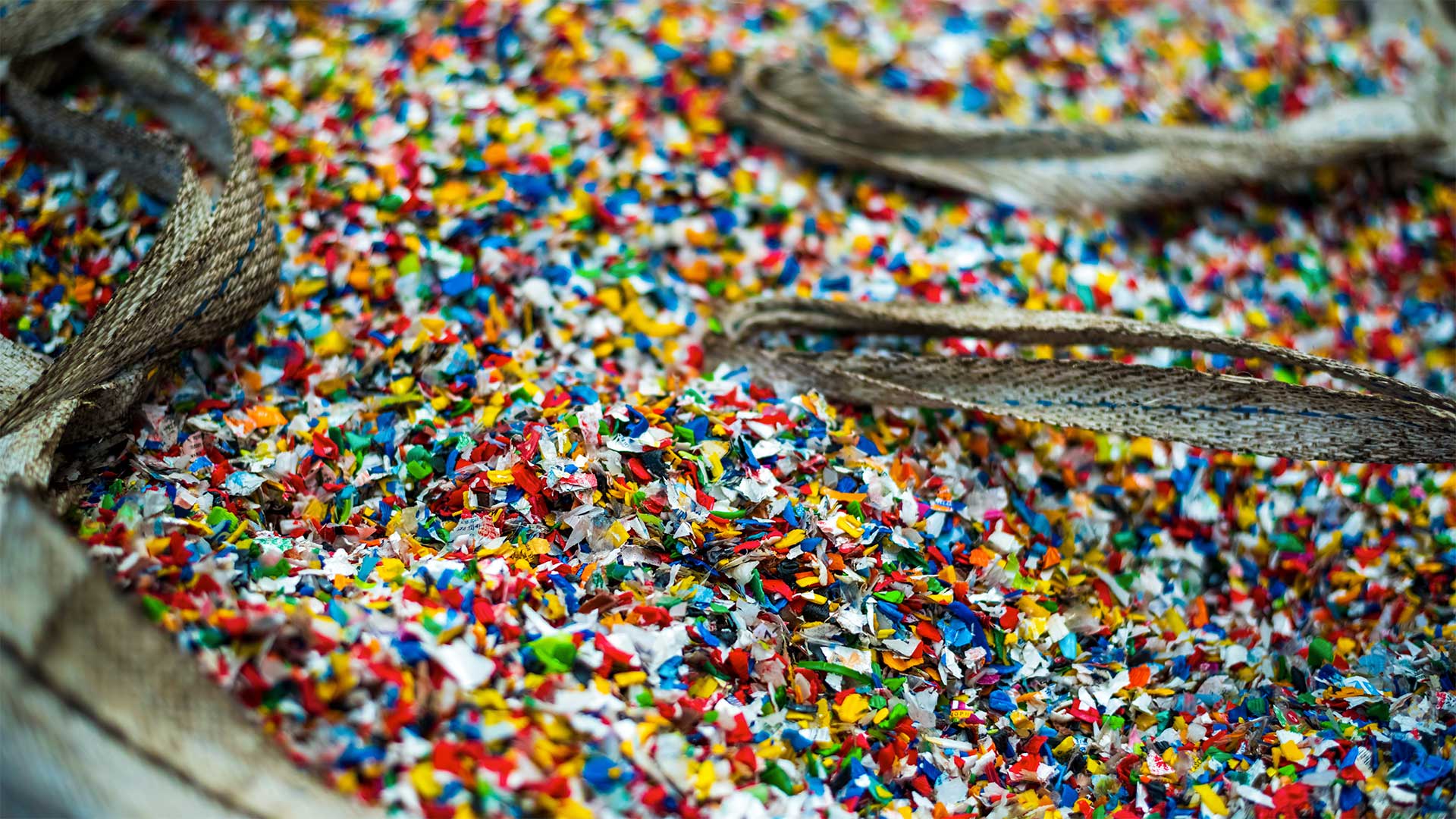
In a study published in the Polymers journal (MDPI), researchers of the UNESCO Chair and LEPAMAP analyse the circular quality of polymers by comparing bio-based and fossil-based polymers with the Product Environmental Footprint (PEF) methodology.


Leave a message