Innovation of the Sustainability-Based University Curricula
14/02/2024
1 min reading time
Photo: ACRID Network
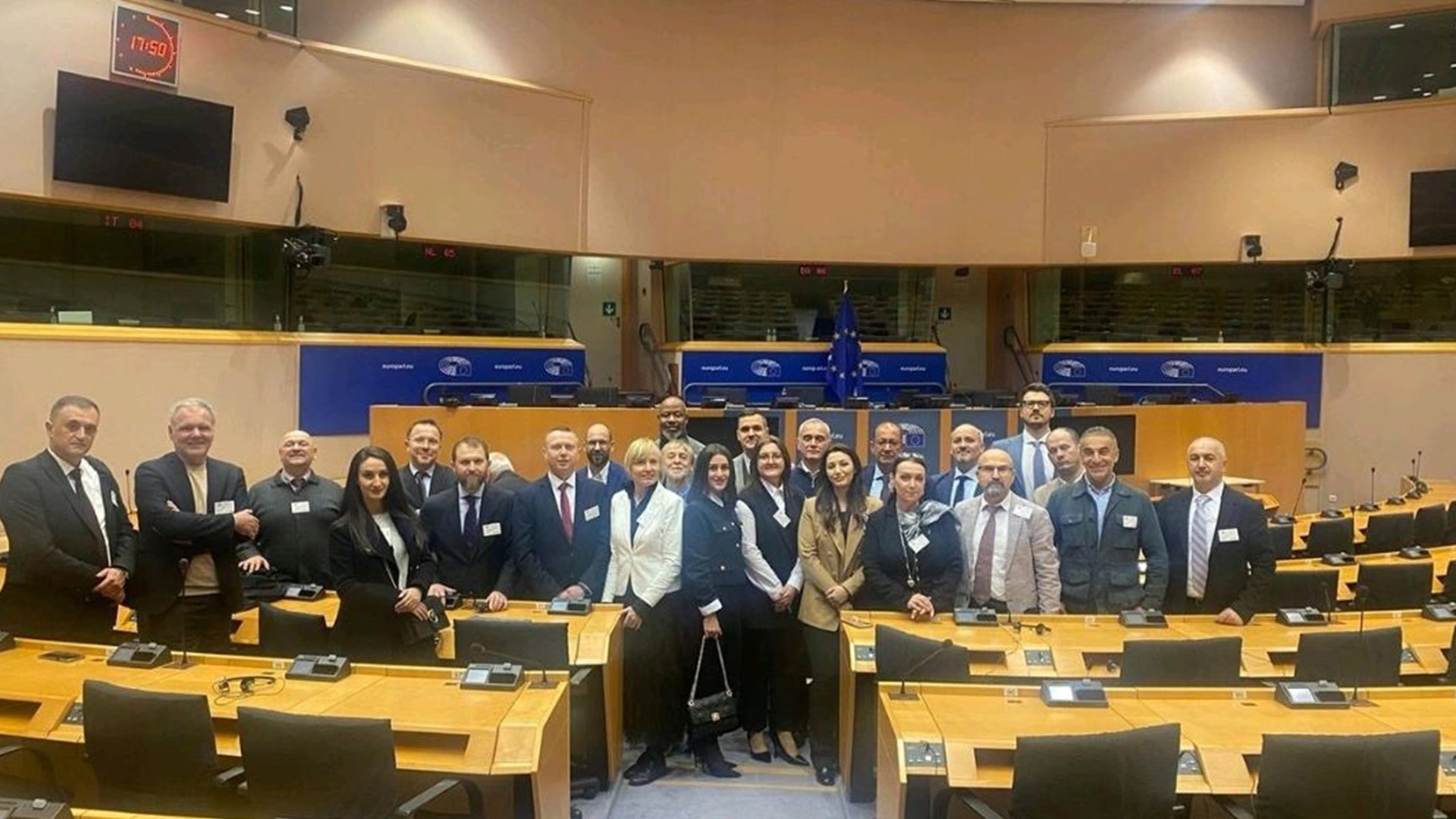
Two weeks ago, the professor and researcher of the UNESCO Chair in Life Cycle and Climate Change Ilija Sazdovski was invited to hold a lecture at the European Parliament about the role of innovation in shaping university curricula within the sustainability domain.
ACRID Network, in collaboration with the Knowledge for Innovation Forum, orchestrated a series of impactful events centred around Research & Innovation, bridging together key stakeholders from the public, private, and academic sectors. With a focus on advancing the competitiveness of the European research and innovation community, particularly aligned with the objectives of the European Green Deal, the Forum’s latest gathering took place at the European Parliament on January 30th and 31st under the theme «Supporting the Drivers of the Green and Digital Transition.»
Among the distinguished speakers, our esteemed lecturer,Ilija Sazdovski, was invited to share insights on the crucial role of innovation in shaping university curricula within the sustainability domain. During his address, Ilija delineated three pivotal drivers catalyzing curriculum evolution:
The Need: Addressing the demand for labour market qualifications essential for driving innovation within the sustainability sector.
The Gap: Focusing on the specific knowledge gaps essential for empowering professionals to undertake sustainability initiatives effectively.
The Pressure: Responding to societal urgency, prompting curriculum adjustments to meet evolving sustainability imperatives.
Sazdovski underscored the necessity of fostering flexible programs that undergo continuous refinement to not only encompass current scientific paradigms but also anticipate and adapt to future sustainability policy needs. «Our commitment transcends mere curriculum development; we endeavour to continually enhance our courses to reflect the latest knowledge and proactively anticipate forthcoming challenges,» remarked the researcher.
In his concluding remarks, Sazdovski emphasized that the success of the green transition hinges upon a systemic transformation of the labour market, with universities playing a pivotal role. Nonetheless, he underscored the indispensability of collaboration across the Quadruple Helix of science, policy, industry, and society, underscoring that collective efforts are indispensable in realizing this transformative vision.
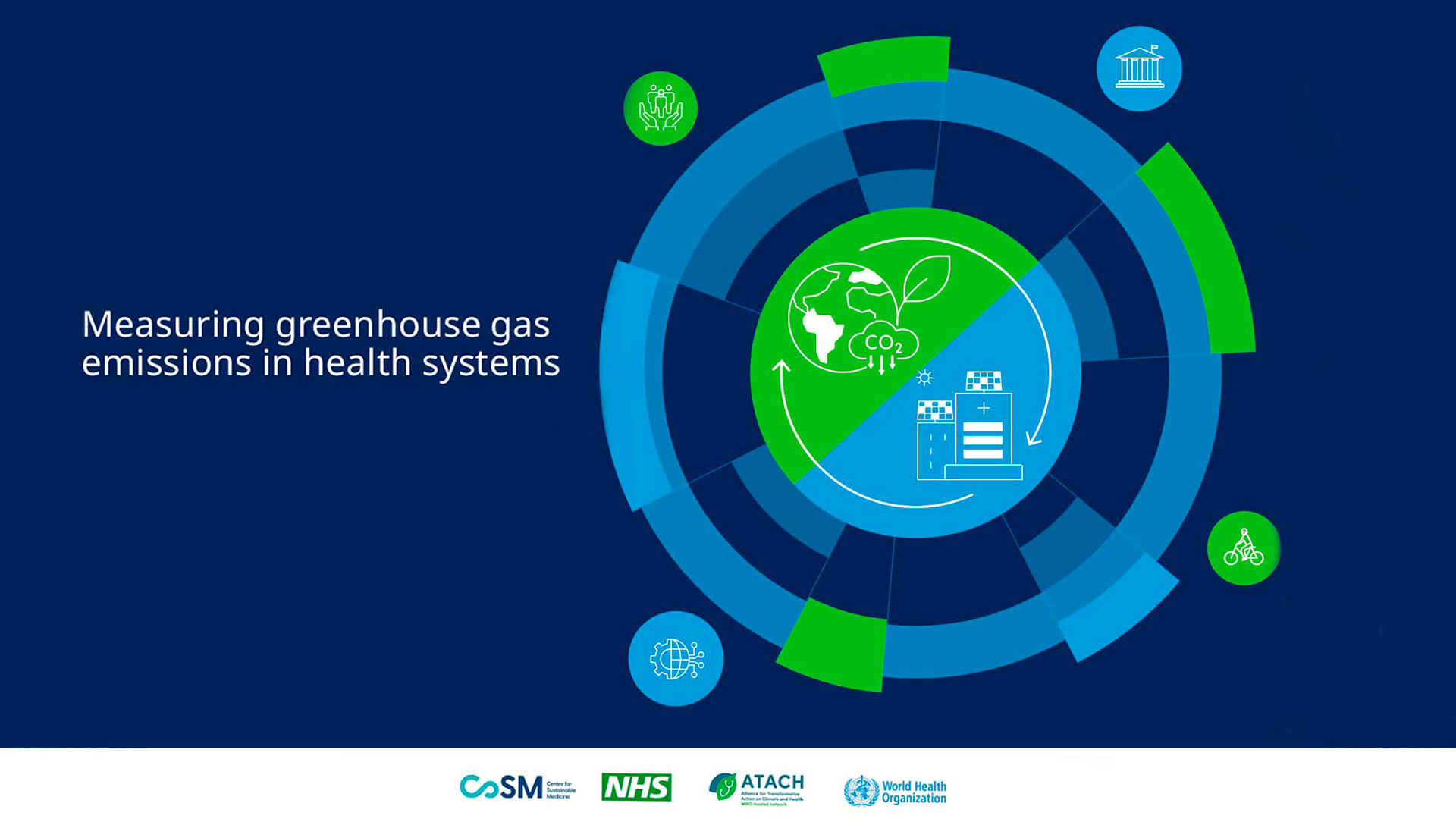
Researchers Marta Santamaría and Dr Ilija Sazdovski, from the UNESCO Chair in Life Cycle and Climate Change at ESCI-UPF, contributed to the newly released WHO guidance “Measuring greenhouse gas emissions in health systems” (World Health Organization, 2025).
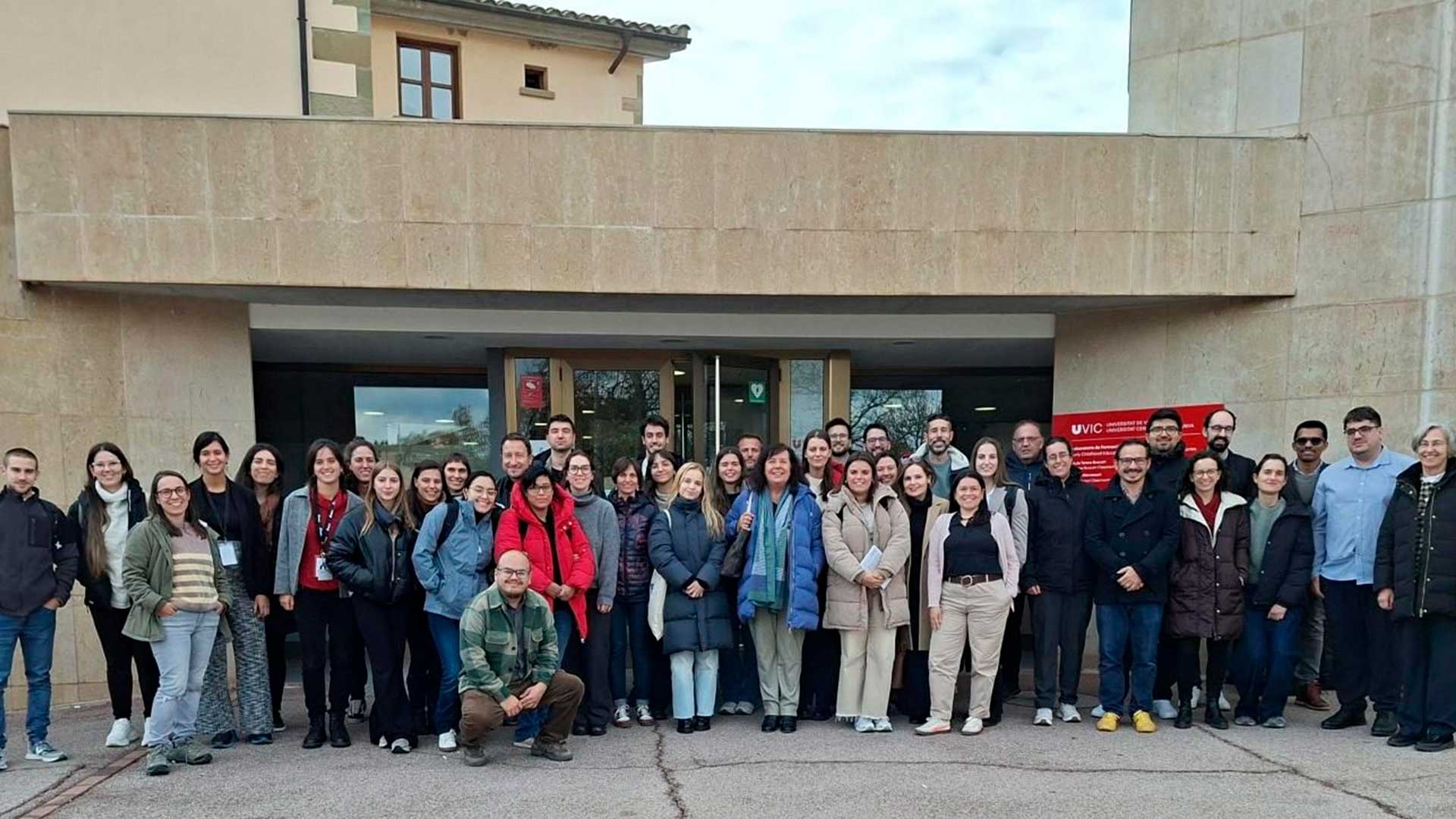
The UNESCO Chair in Life Cycle and Climate Change at ESCI-UPF participated in the event “Life Cycle Management in the Transition Toward a Sustainable Agri-Food Sector”, promoted by the Red Española de ACV was held in Vic (Barcelona) on 19 and 20 November 2025.
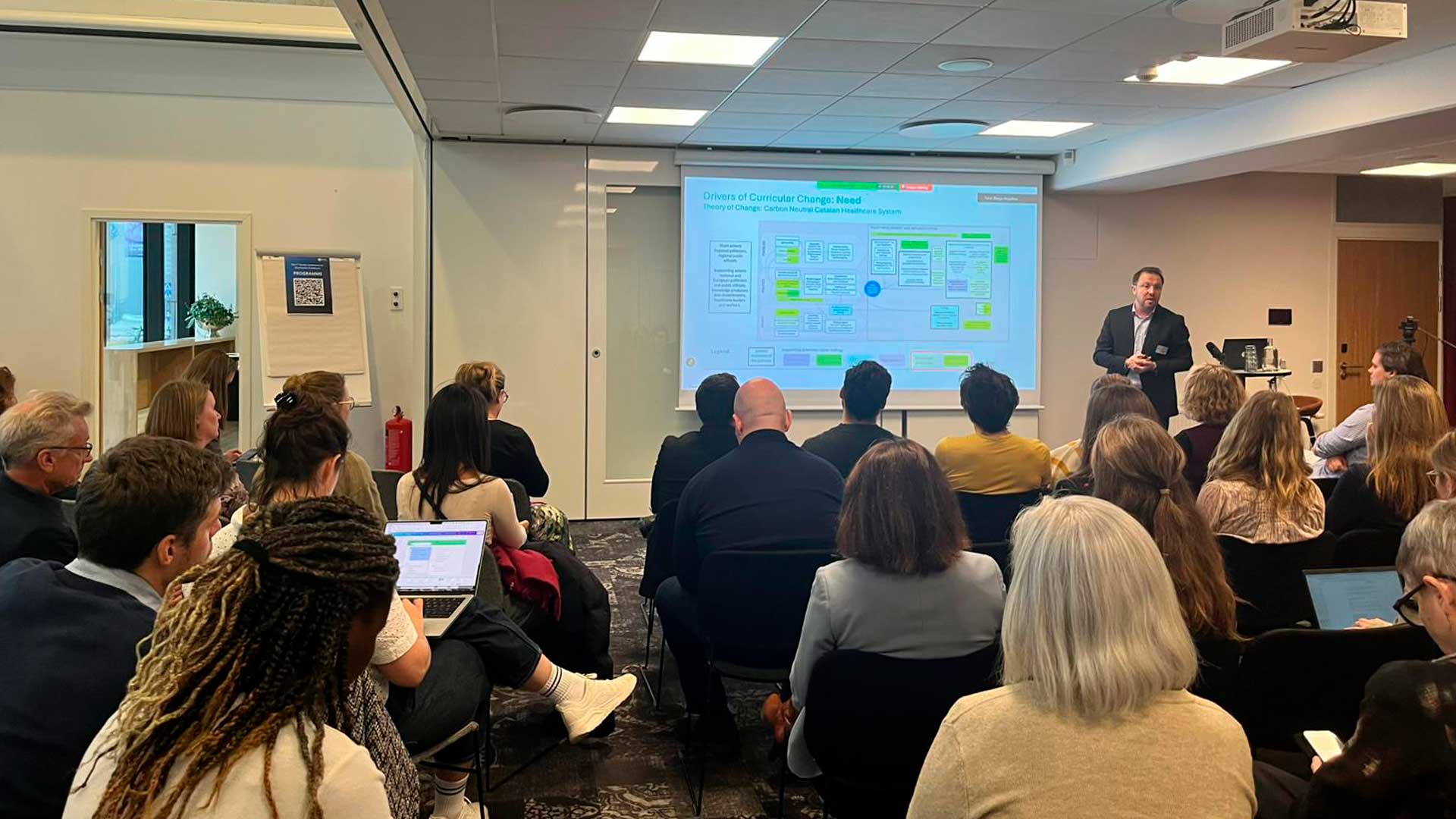
The UNESCO Chair researchers, Dr Ilija Sazdovski and Marta Santamaria Molina, took part in the 7th Nordic Conference on Sustainable Healthcare, held in Malmö on November 12.

Leave a message