CRISPR Revolution: Moving Towards the Science of Future
09/06/2022
1 min reading time
On 7th June, ESCI-UPF held an online session about genome editing tool CRISPR with Dr Carme Cortina, Research Associate at Colorectal Cancer Laboratory Group of the IRB Barcelona; Dr Ana Janic, Principal Investigator at Cell and Molecular Biology Program at DCEXS-UPF; and Dr Alberto Meseguer, Academic Coordinator at ESCI-UPF Bachelor’s Degree in Bioinformatics. Dr Arnau Cordomí, the BDBI Academic Coordinator, was the round table moderator.
CRISPR is a revolutionary genome-editing system that acts as precise molecular scissors capable of cutting the DNA in a chosen genome location. This system’s importance lies in being much cheaper and easier to design than previous genome editing tools.
During the talk, the speakers discussed the origin of the system (and the fight over its patent between Charpentier/Doudna and Feng Zhang), the nowadays application of the technique in clinical trials –related to blood diseases and cancer immunotherapy–, and the practice conducted by first-year BDBI students using CRISPR to knock-out P53 tumour suppressor gene.
Afterwards, they spoke about the concerns of using this genome-editing tool. From the biological perspective, as a secondary effect, CRISPR can generate unwanted mutations by cutting other places of the genome rather than only the desired ones. From an ethical point of view, CRISPR opens a debate on the limits of scientific purposes. One of the best examples of this concern is the Nana and Lulu case, where Dr He Jiankui used CRISPR to modify their embryo genome to make them resistant to HIV.
At the end of the session, the speakers chatted about the future of the CRISPR tool, the world of possibilities it opens, and the direction toward genome editing systems are moving.
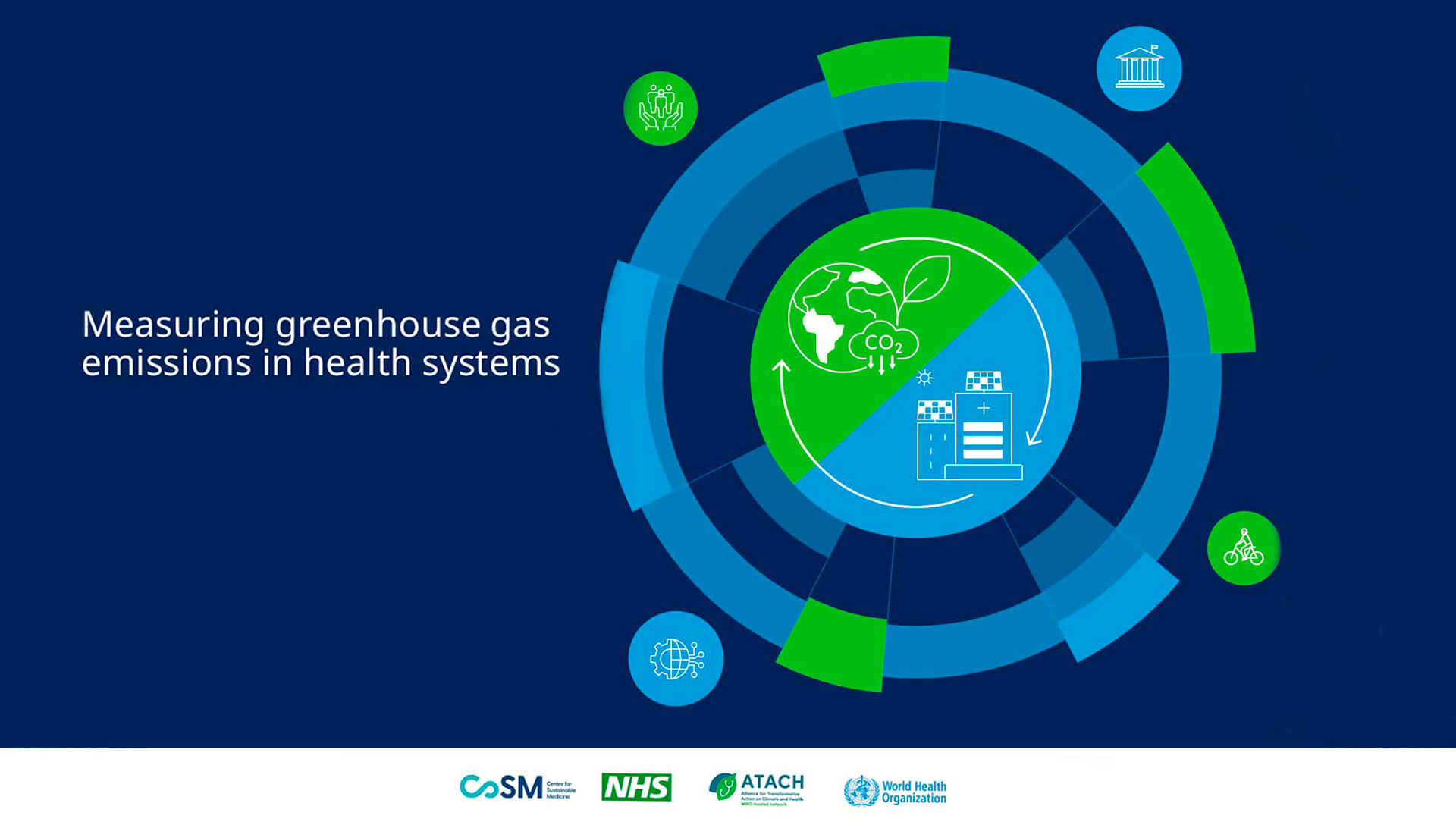
Researchers Marta Santamaría and Dr Ilija Sazdovski, from the UNESCO Chair in Life Cycle and Climate Change at ESCI-UPF, contributed to the newly released WHO guidance “Measuring greenhouse gas emissions in health systems” (World Health Organization, 2025).
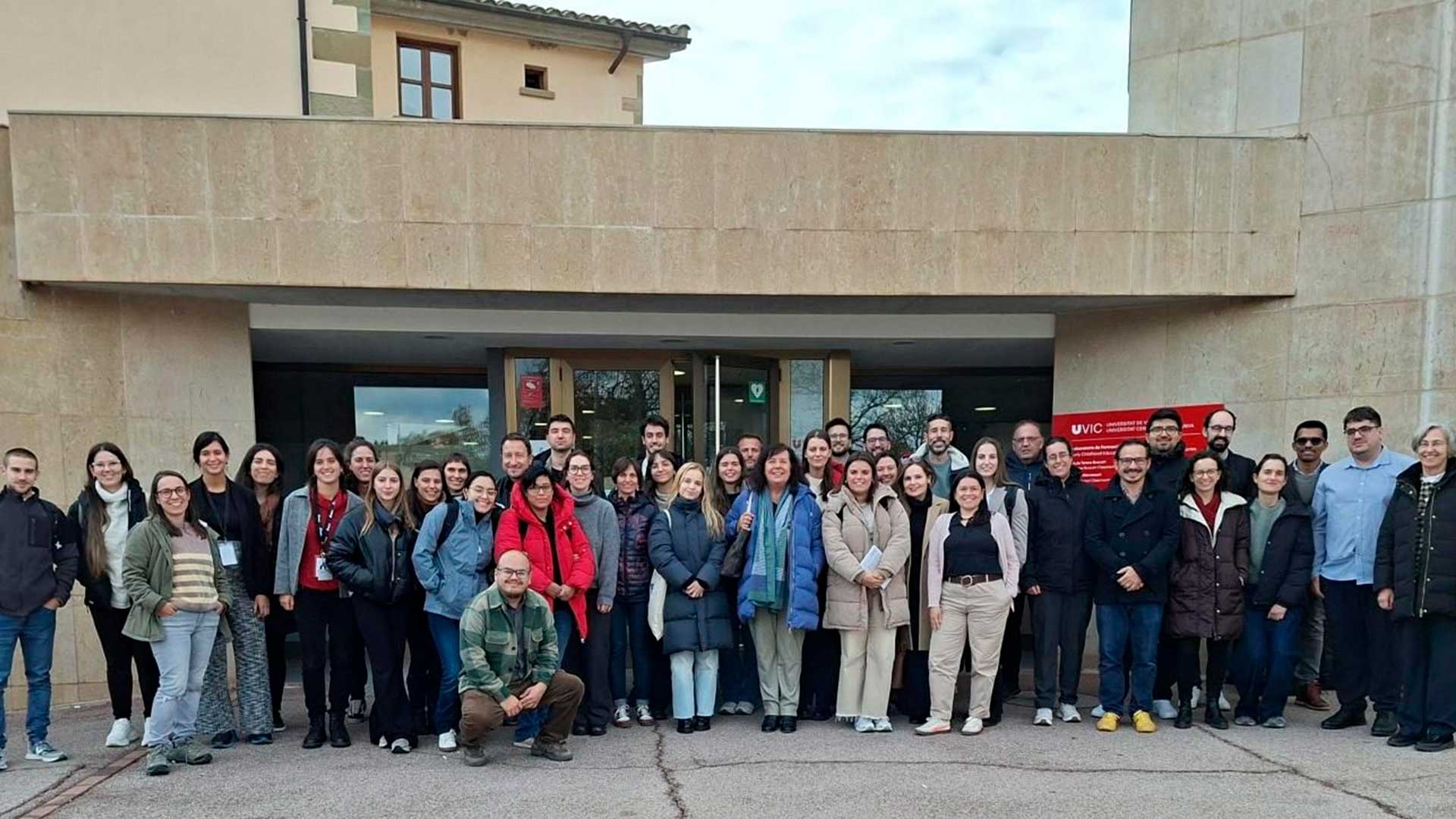
The UNESCO Chair in Life Cycle and Climate Change at ESCI-UPF participated in the event “Life Cycle Management in the Transition Toward a Sustainable Agri-Food Sector”, promoted by the Red Española de ACV was held in Vic (Barcelona) on 19 and 20 November 2025.
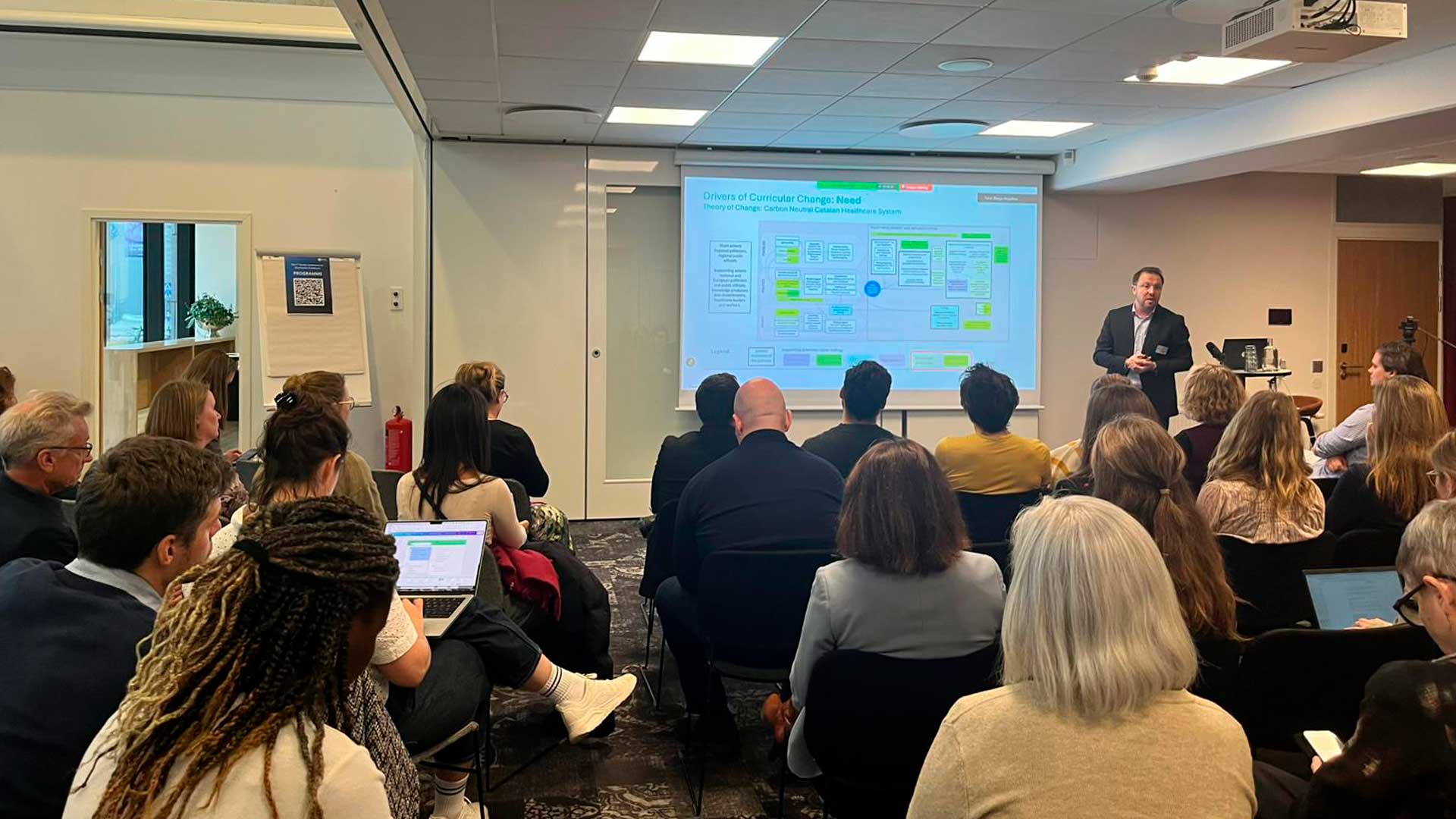
The UNESCO Chair researchers, Dr Ilija Sazdovski and Marta Santamaria Molina, took part in the 7th Nordic Conference on Sustainable Healthcare, held in Malmö on November 12.

Leave a message