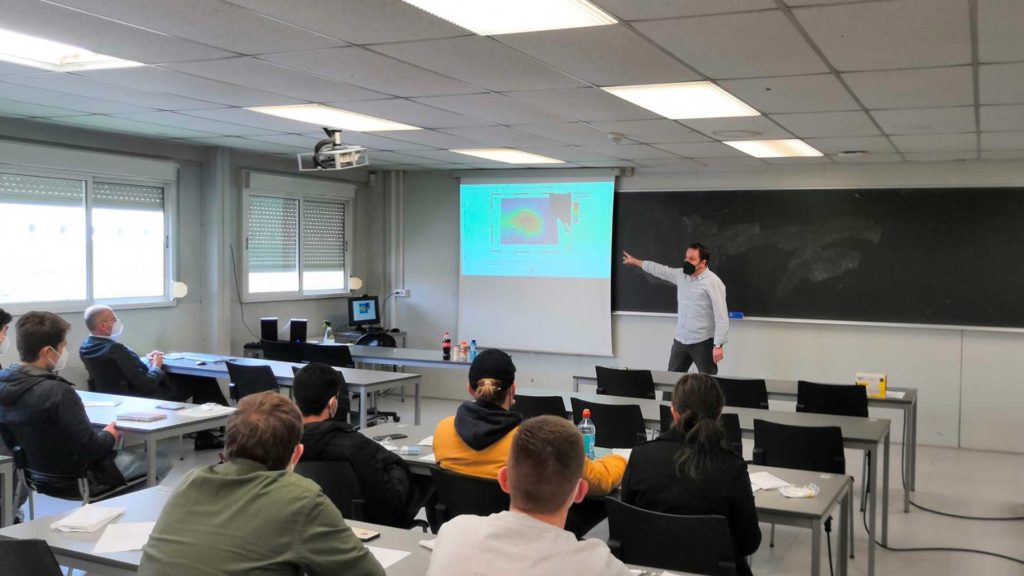
Ilija Sazdovski during his lecture at the EUCLIDES annual training programme / Photo: Ilija Sazdovski
In the frame of the EUCLIDES Network, consisting of 4 European Universities: the University of Girona, the University of Antwerp, KU Leuven, and Hochschule Merseburg, an annual training programme called International Weeks is organized on different topics. This year the title of the programme is Circularity of Polymers, the host is the University of Girona, and they offered unique training opportunities for 21 graduate and post-graduate students from the Network.
The training provided an inside into the complexity of plastics usage from different aspects, while at the same time enabling them to find new approaches and come to solutions for plastics pollution so urgently needed in Europe.
UNESCO Chair, represented by Prof. Pere Fullana and doctoral candidate Ilija Sazdovski, presented the sustainability aspects and environmental impacts of plastics usage and recycling in different systems. Prof. Fullana presented the tools for assessing the sustainability of plastics with a focus on Life Cycle and Social Assessment. Ilija Sazdovski focused the lecture on the difference between bio-based and fossil-based polymers and changes in their qualitative properties in multiple recycling cycles.
The programme is co-funded by the European Union through their Erasmus+ programme.
ESCI-UPF and Politecnico di Milano publish a joint research paper to help organisations and consumers, respectively, with policy and decision-making through the assessment of the social risks associated with different high-protein food alternatives.
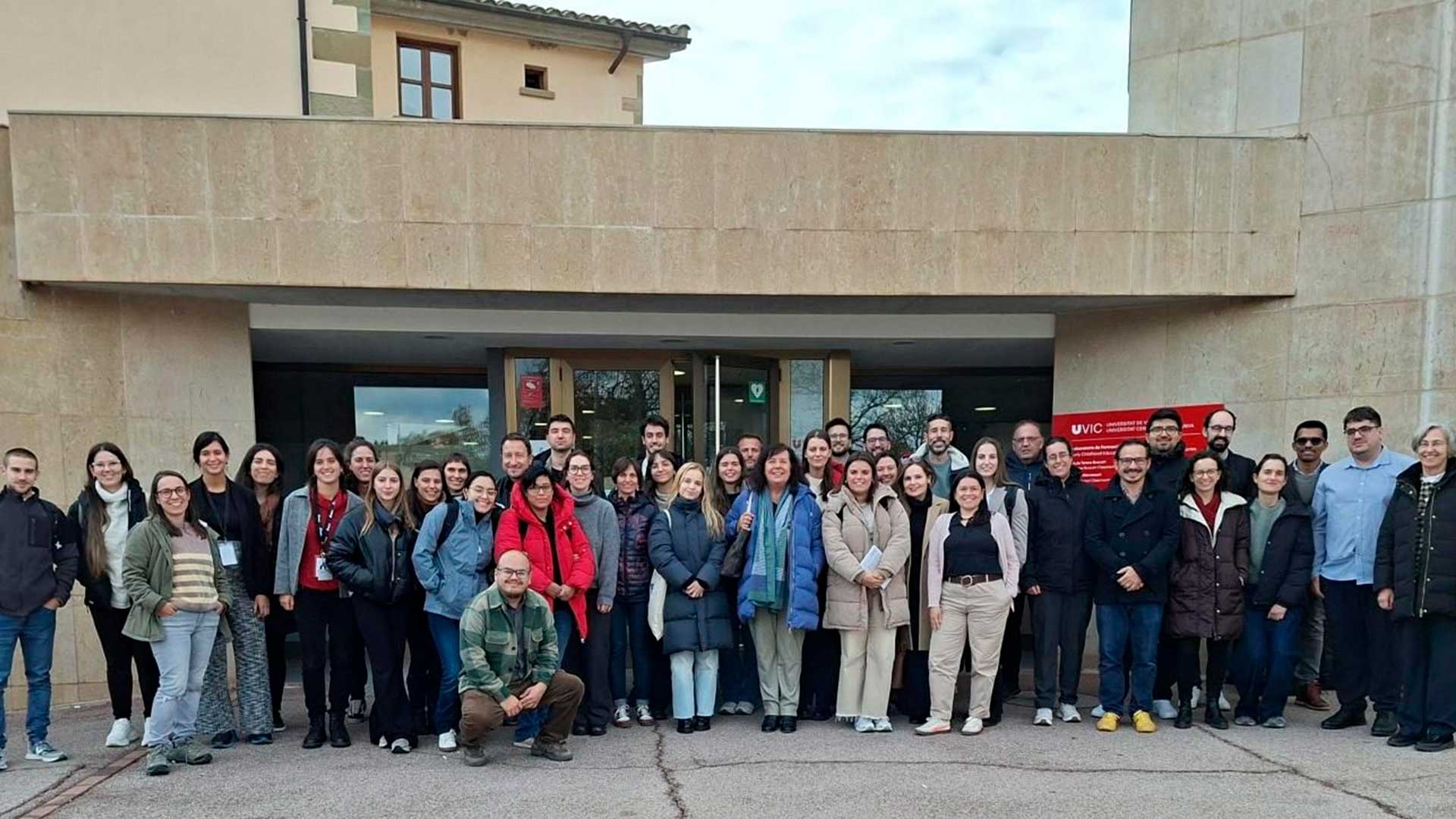
The UNESCO Chair in Life Cycle and Climate Change at ESCI-UPF participated in the event “Life Cycle Management in the Transition Toward a Sustainable Agri-Food Sector”, promoted by the Red Española de ACV was held in Vic (Barcelona) on 19 and 20 November 2025.
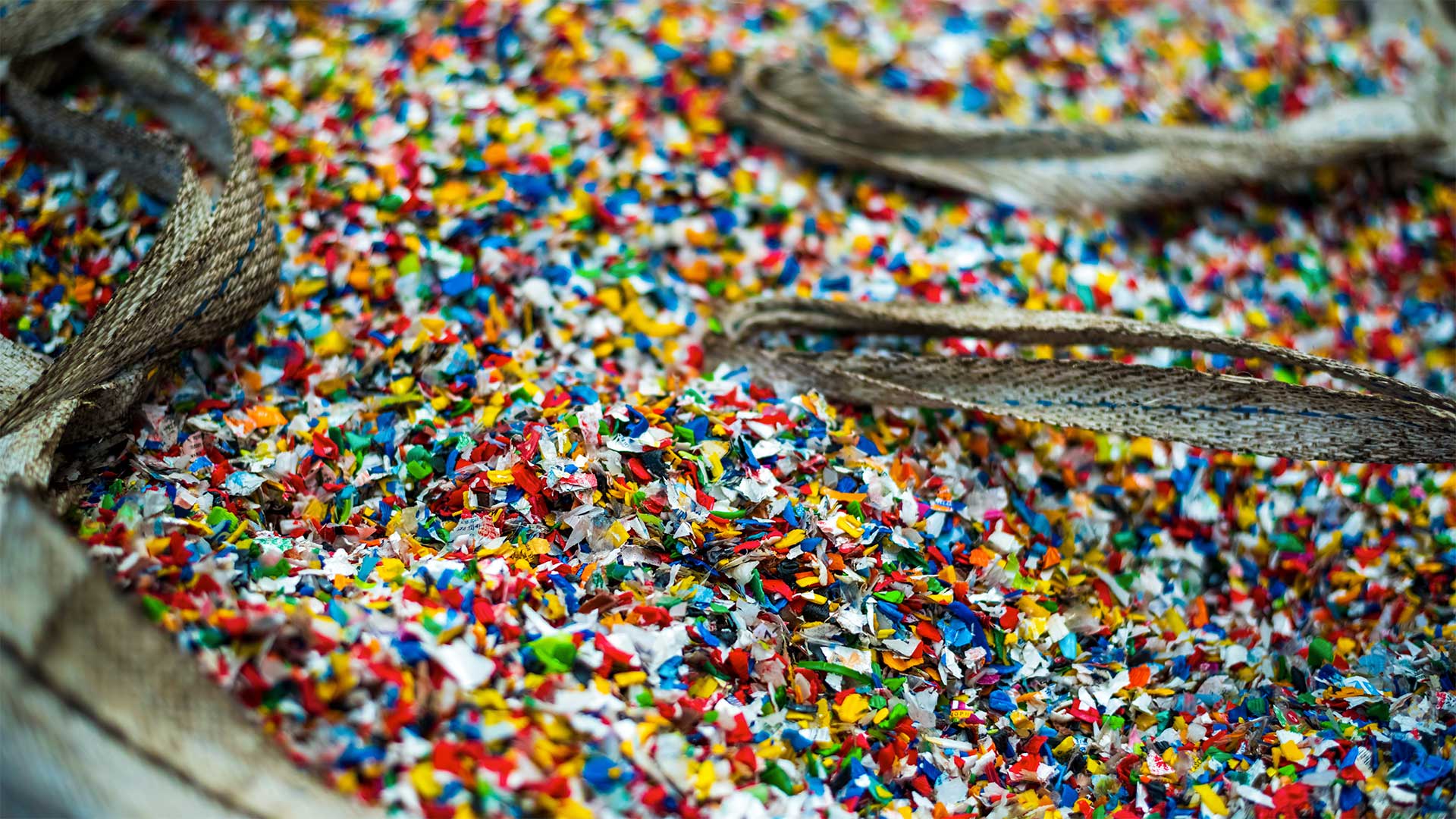
In a study published in the Polymers journal (MDPI), researchers of the UNESCO Chair and LEPAMAP analyse the circular quality of polymers by comparing bio-based and fossil-based polymers with the Product Environmental Footprint (PEF) methodology.


Leave a message