ESCI-UPF joins international consortium to develop cutting-edge renewable hydrogen technology
28/01/2021
1 min reading time
The H24All project, led by a consortium of fifteen partners, has presented an application for European Green Deal funding to develop Europe’s first 100 megawatt (MW) alkaline electrolyzer plant, which will be connected to a Repsol industrial site.
The consortium aims to pave the way for a new and competitive hydrogen industry based on European know-how through innovation by developing, building, operating and demonstrating the sustainability of a 100 MW high-pressure alkaline electrolyzer. The technology will be demonstrated in real operation according to end-users’ needs, meeting market requirements for competitive low-carbon hydrogen production.
Partners in the consortium represent the whole value chain of hydrogen from six different countries (Belgium, Denmark, Germany, Norway, Spain, and Turkey). The partners include research centers, material suppliers, engineering firms specializing in electrolyzers, electro-intensive industries, energy and automotive companies, universities, and industry associations, all of which have a high level of expertise in this field and are safety-oriented and committed to CO2 reduction.
During the H24All project, partners will bring together different innovative solutions that will together represent, in a record time, significant progress in hydrogen technologies that improve the competitiveness and viability of an electrolyzer while reducing the investment needed as well as operating costs. The objective for the Green Deal project will be to boost the technology and the use of renewable hydrogen by reducing the cost to close to €3/kg H2.
This project will be the validation reference of an innovative and competitive technology at pre-commercial scale. The economic and business-modelling case will provide quantitative evidence that will reduce the risk for other hydrogen infrastructure deployment across Europe. The complete timeline of the project encompasses an expected three years of research, development and construction plus two years of a demonstration and validation phase.
This initiative will represent a major boost to the technological development of renewable hydrogen production and will have a positive effect on other industries, such as mobility, refining, synthetic fuel production and renewable power generation.
ESCI-UPF, through its UNESCO Chair in Life Cycle and Climate Change, is responsible for the comparative sustainability assessment of the proposed technologies vs those currently used, as known experts in dealing with these matters within European research projects. ESCI-UPF has a long experience in developing and applying methodologies such as: Life Cycle Assessment, Social Impact Assessment and Life Cycle Costing. This will be a new opportunity for ESCI-UPF to make business and society have a better relationship with the environment.
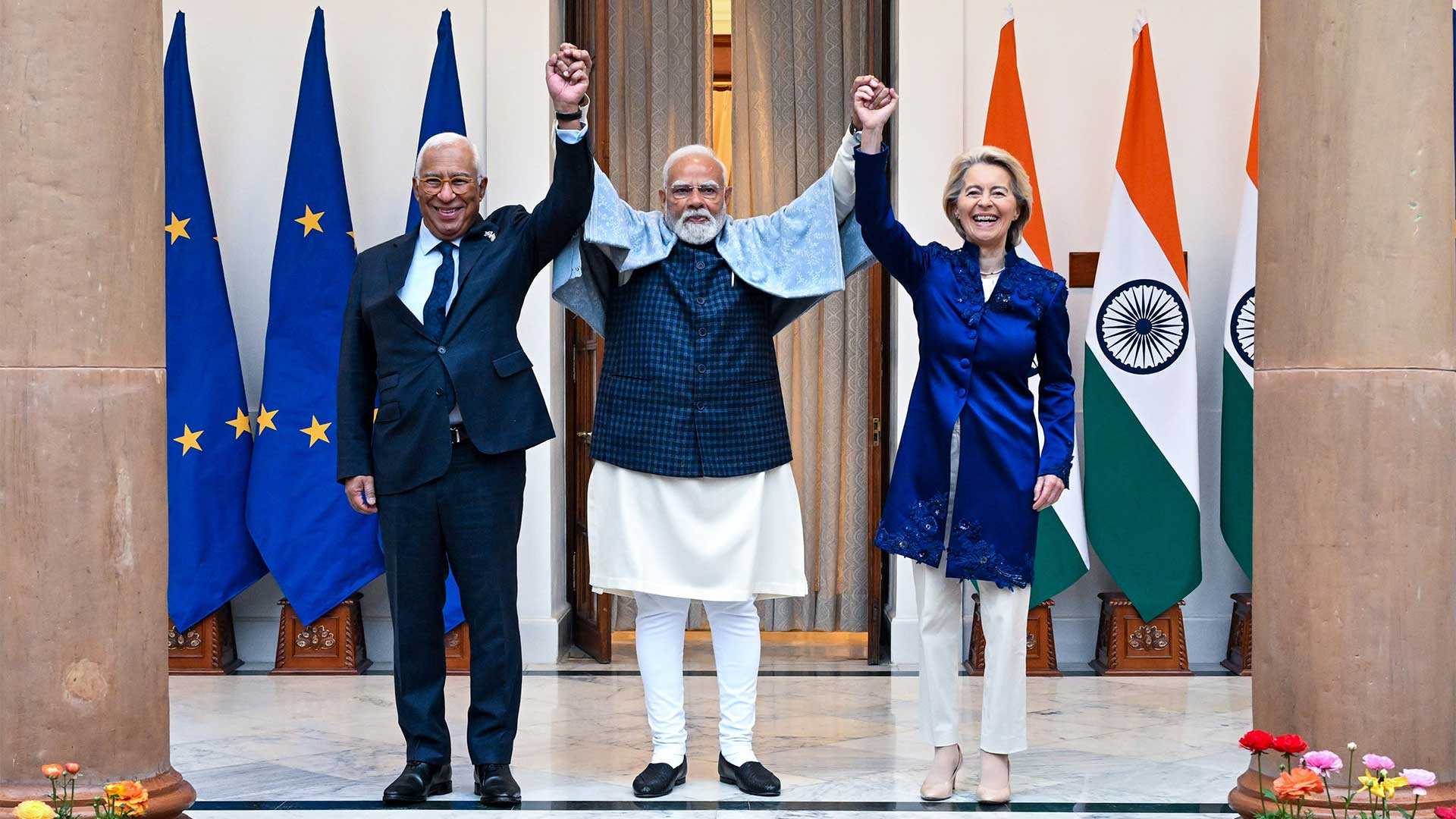
Joan Ribas, professor i cap d’estudis del GNMI i el BDBIM, escriu sobre el Tractat de Lliure Comerç signat entre la Unió Europea i l’Índia la setmana passada. Un acord amb el que Europa guanya el mercat potencial del país més poblat del món i que dona resposta a la nova situació de polarització global.
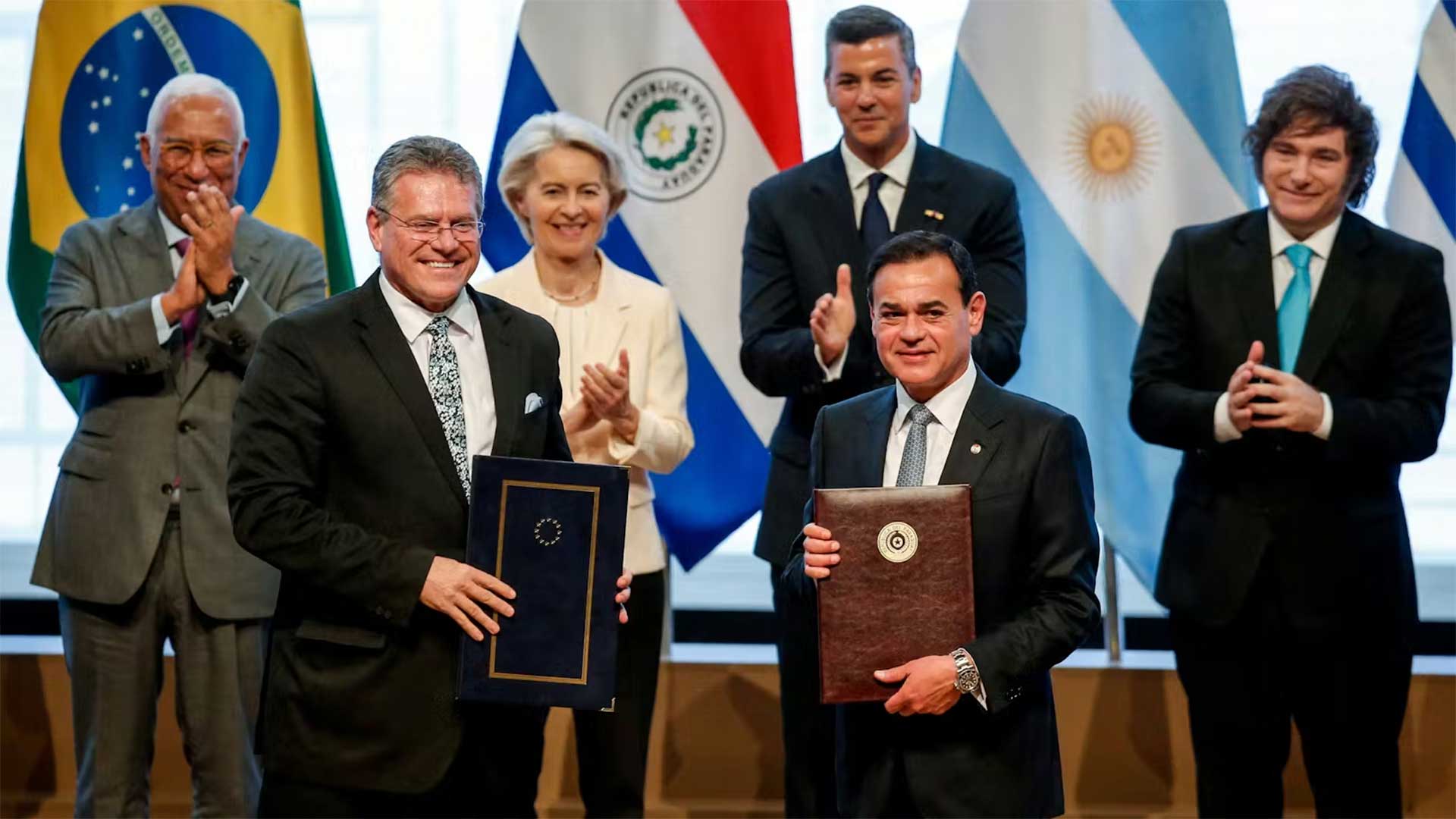
Joan Ribas, cap d'estudis i professor de Macroeconomia, escriu sobre el Tractat de Lliure Comerç entre la Unió Europea i el Mercosur signat la setmana passada i explica les principals claus que han portat a la ratificació del text i les diferències que hi ha respecte a la proposta presentada el 2019.
L’any 2023, Jordi Calafí, alumni de la promoció 2025, va participar al viatge d’estudis a Brussel·les organitzat en el marc del mòdul Jean Monnet. Ara, el record d’aquell viatge ha estat immortalitzat en un sketchbook que repassa les vivències d’aquells dies intesos a la capital d’Europa.


Leave a message