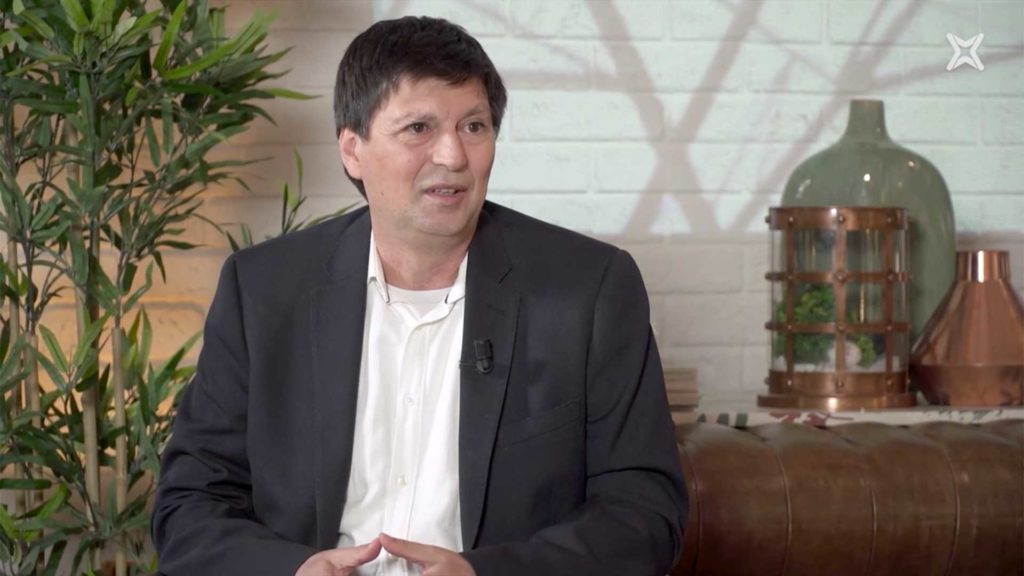
Dr Pere Fullana in The Weekly Mag interview. / Foto: La Xarxa de Comunicació Local
Dr Pere Fullana, Director of the ESCI-UPF UNESCO Chair in Life Cycle and Climate Change, has been interviewed at The Weekly Mag. He shared his impressions about the climate emergency and explained what is the Life Cycle Analysis (LCA) methodology and the circular economy model.
As Pere Fullana explained, one of the first things we can do to fight climate change is take consciousness about the problem, try to rethink everything we have learned and change our daily habits. Changing the way we live and consume can impact the way products and services are produced. The Director of the ESCI-UPF UNESCO Chair said that nowadays we have enough knowledge and information to start mitigating climate change, but what we need to do is to transform this knowledge into activism. In Pere Fullana’s own words, “it is never too late to act”.
Later on, Pere Fullana explained that Life Cycle Analysis (LCA) takes into account all life cycle stages and all its different impacts that a product or service has during all its life, from its production to its waste management. On the other hand, he spoke about the circular economy model. This model tries to rethink the products and services in a way that they can keep within the economy: the main objective is trying not to need matter and energy from the outside economic circle. Furthermore, Fullana said that as far as the classic 3Rs (reduce, reuse, recycle) continue to be valid, the R from “reject” and “rethink” are even decisive in waste management.
At the end of the interview, the Director of the ESCI-UPF UNESCO Chair pointed out the importance of facing one of the biggest crises of our times: not the pandemic but the climate emergency. In his opinion, sooner than later people are going to lead this “green revolution” by changing their habits.
ESCI-UPF and Politecnico di Milano publish a joint research paper to help organisations and consumers, respectively, with policy and decision-making through the assessment of the social risks associated with different high-protein food alternatives.
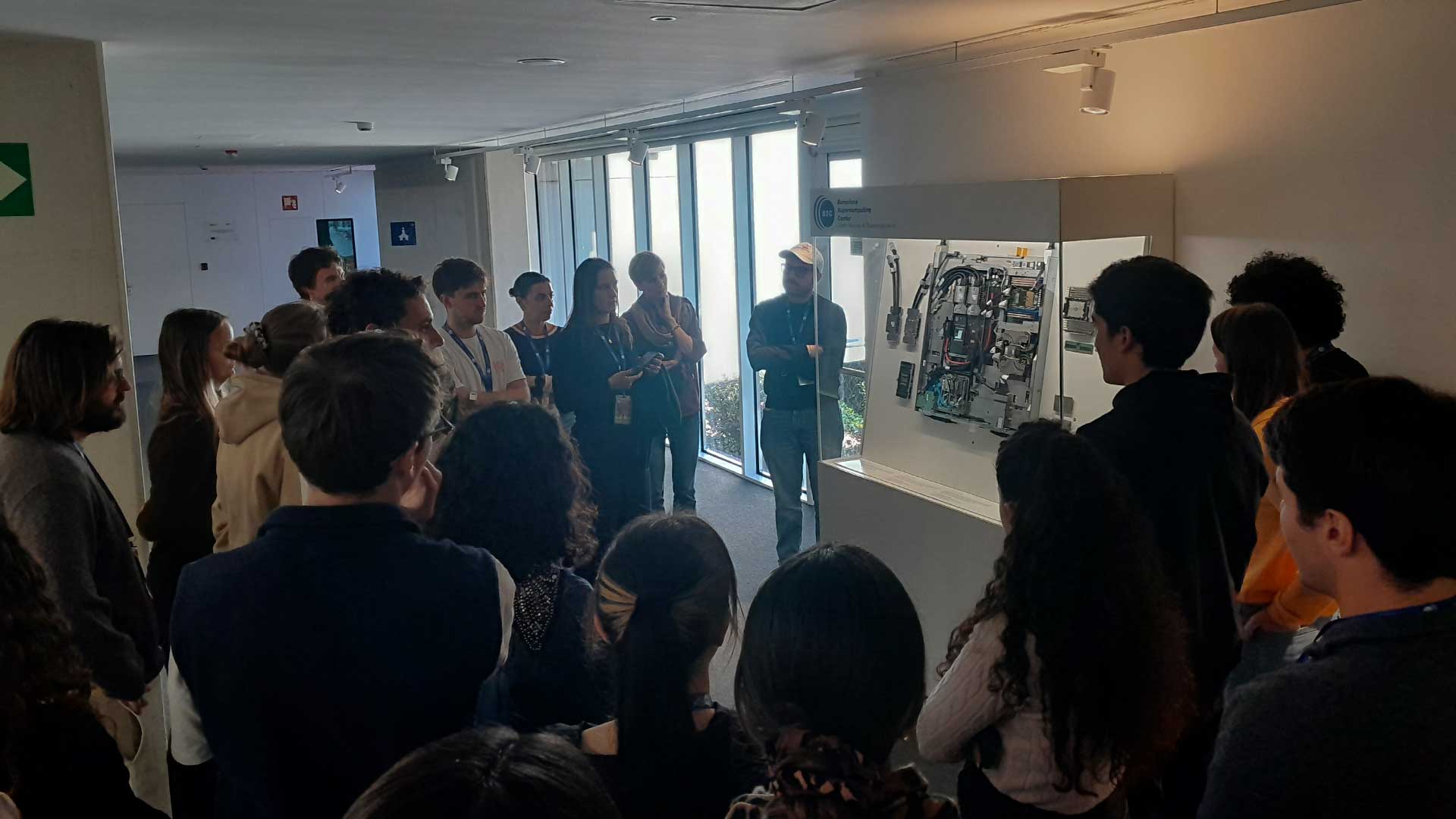
The researcher at the ESCI-UPF’s UNESCO Chair and professor Dr Ilija Sazdovski summarises the visit to the Barcelona Supercomputing Center with the students of the MScSUS.
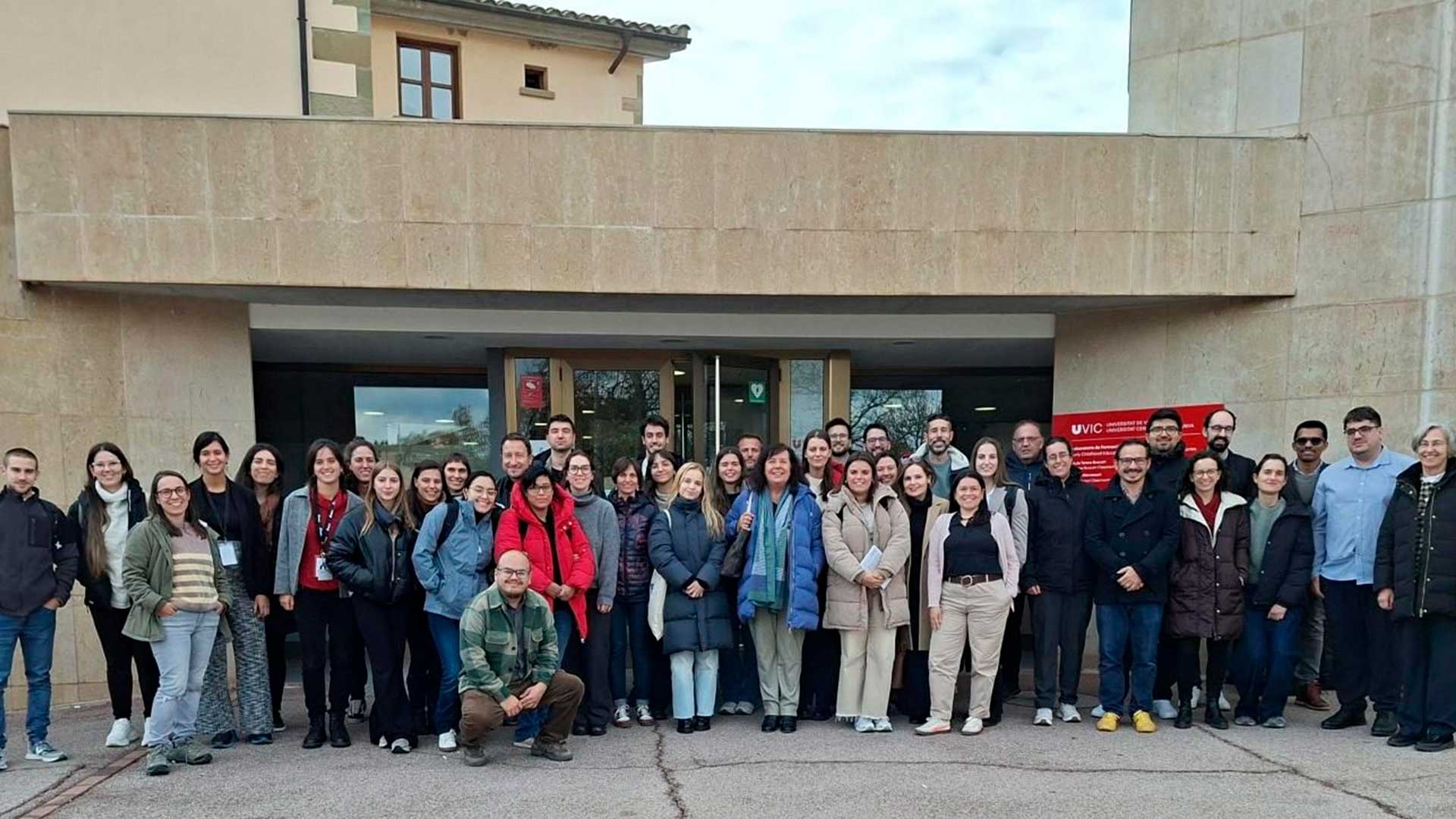
The UNESCO Chair in Life Cycle and Climate Change at ESCI-UPF participated in the event “Life Cycle Management in the Transition Toward a Sustainable Agri-Food Sector”, promoted by the Red Española de ACV was held in Vic (Barcelona) on 19 and 20 November 2025.


Leave a message