Los impactos ambientales de los pavimentos se minimizarían seleccionando revestimientos de piedra natural y baldosas cerámicas, según un estudio que analiza diferentes sistemas de pavimentos interiores teniendo en cuenta todo su ciclo de vida.
The Institute for Ceramic Technology (ITC) and the UNESCO Chair in Life Cycle and Climate Change ESCI-UPF have published a study that compares six different indoor flooring systems consisted of coverings and, where required, bonding material and/or impact soundproofing material, through the Life Cycle Assessment method. “Environmental impacts vary, but inorganic (natural stone and ceramic tiles) coverings have been found to perform better than wood-based (laminate and parquet) and polymer (carpeting and PVC) coverings,” says the first author of the study and PhD Candidate at the Chair and the ITC, Teresa Ros-Dosdá.
Published in the journal Science of The Total Environment, this study assess the whole life cycle of the different flooring systems, including the product stage, transport to the construction site, installation of all construction elements, use, as a function of pedestrian traffic intensity, and valorisation by recycling; as a transition scenario towards a circular economy. “The importance of considering the whole life cycle versus just the production stage was evidenced when comparing alternative construction solutions,” as the authors stand out.
As a novelty, the environmental impact data of the coverings’ production chain has been taken from previously certified Environmental Product Declarations (EPDs), as these are standardised public documents devised to provide environmental life cycle information. “The method adopted in the study suggests that, though the use of EPDs as information source is interesting, erroneous conclusions may be drawn if the EPDs are not comparable and/or if the comparison is not made in the building context,” points out Pere Fullana i Palmer, director at the Chair and co-author of the study.
Best options
“Within the frame of the study, the results show that the flooring systems with inorganic coverings perform best in the global warming, acidification, eutrophication, photochemical ozone creation, and abiotic depletion for fossil resources impact categories, whereas laminates perform best in the abiotic depletion for non-fossil resources and ozone layer depletion impact categories. Lastly, the carpet flooring system performs worst in every impact category except photochemical ozone creation potential,” as stated by Eliseo Montfort, Professor at the Universitat Jaume I and co-author of the study.
In light of these results, the researchers stress that “an appropriate selection of construction materials plays a major role in a building’s sustainable profile.” Therefore, “we all should consider selecting flooring materials that will help maximize the quality of an indoor environment while minimizing damage to the natural environment,” concludes the director at the Chair.
Reference article
Ros-Dosdá, T., Celades, I., Vilalta, L., Fullana-i-Palmer, P., & Monfort, E. (2019). Environmental comparison of indoor floor coverings. Science of The Total Environment, 693, 133519.
ESCI-UPF and Politecnico di Milano publish a joint research paper to help organisations and consumers, respectively, with policy and decision-making through the assessment of the social risks associated with different high-protein food alternatives.
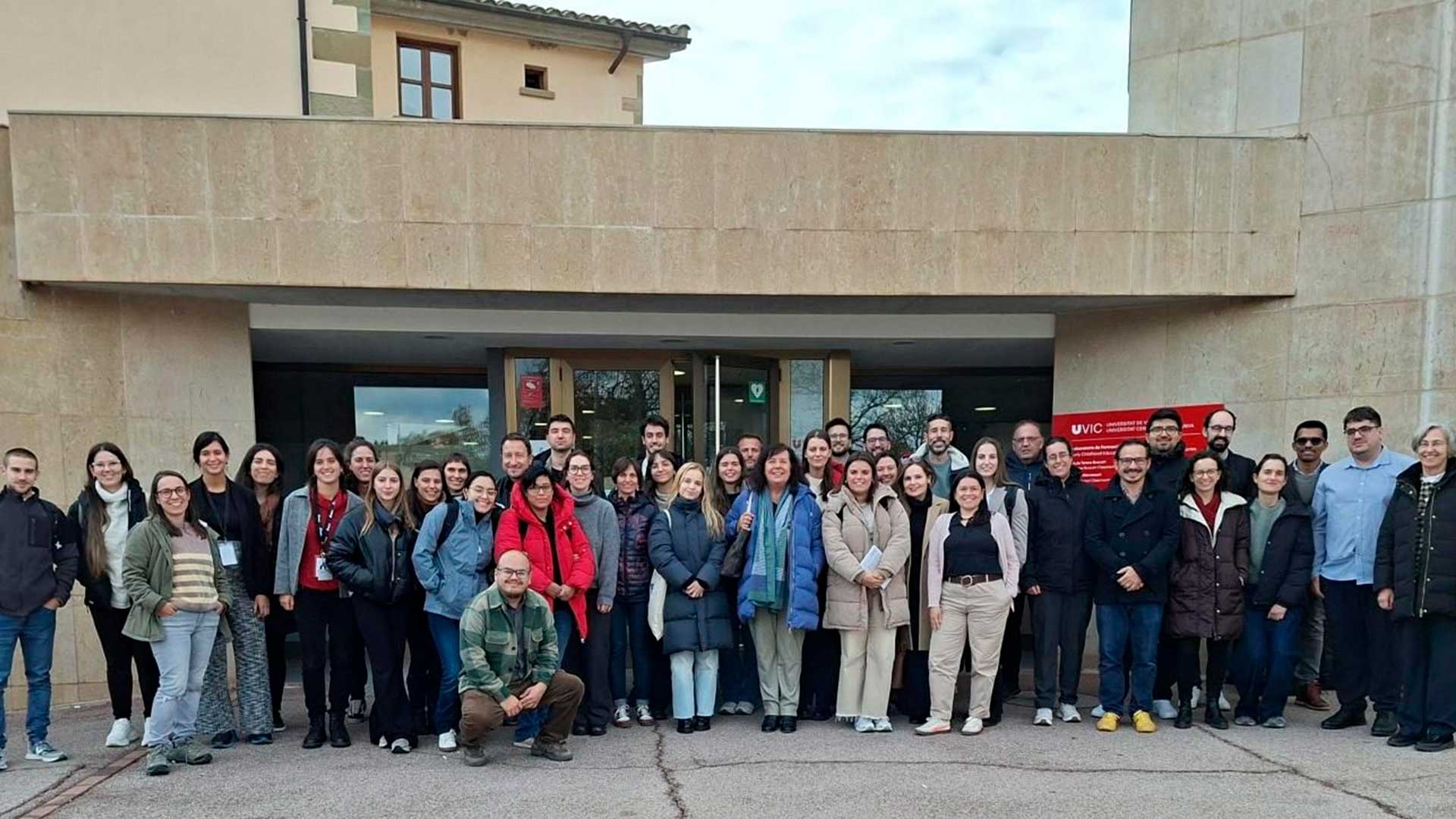
The UNESCO Chair in Life Cycle and Climate Change at ESCI-UPF participated in the event “Life Cycle Management in the Transition Toward a Sustainable Agri-Food Sector”, promoted by the Red Española de ACV was held in Vic (Barcelona) on 19 and 20 November 2025.
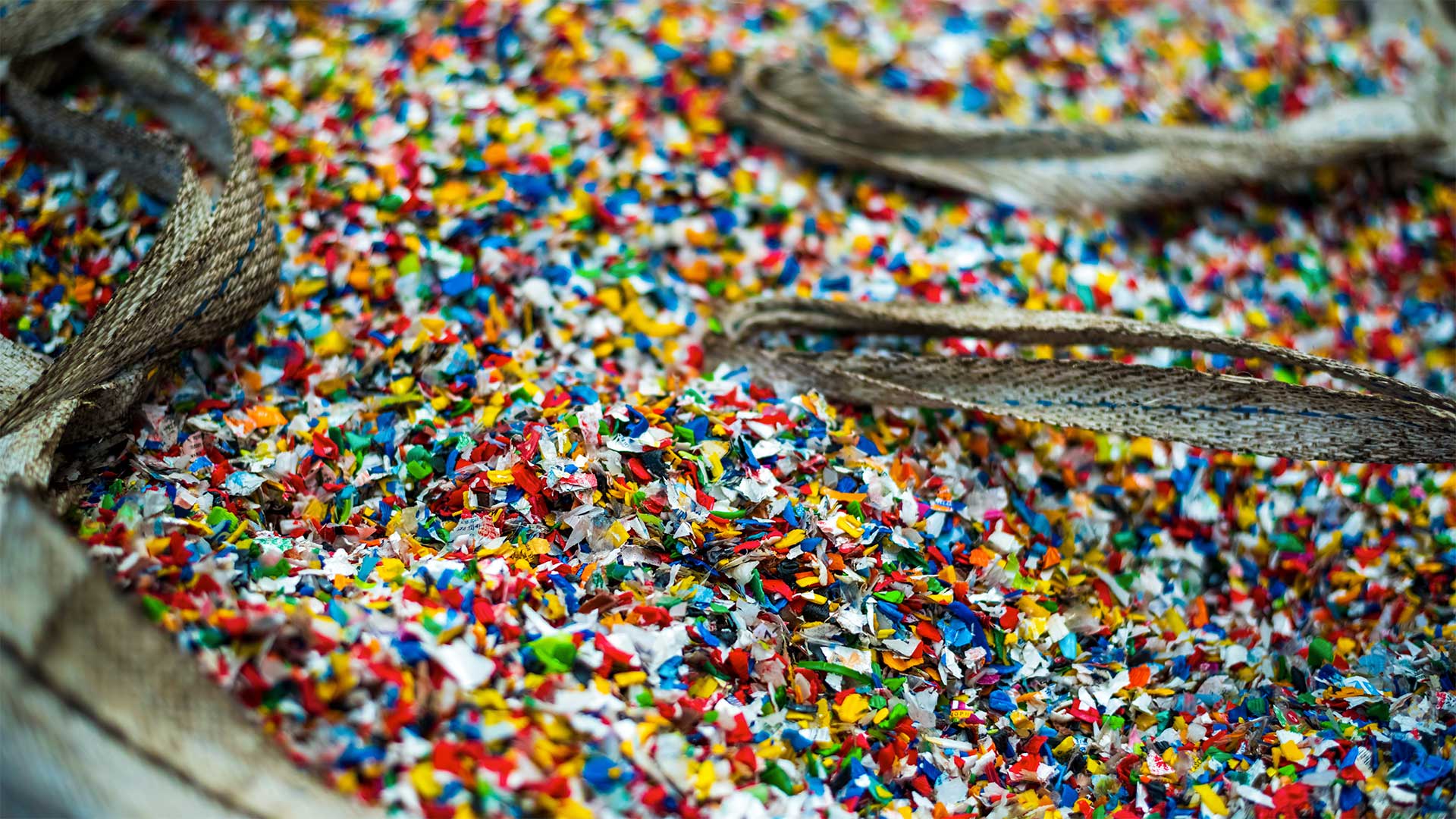
In a study published in the Polymers journal (MDPI), researchers of the UNESCO Chair and LEPAMAP analyse the circular quality of polymers by comparing bio-based and fossil-based polymers with the Product Environmental Footprint (PEF) methodology.


Leave a message