El mundo es solo un 9% circular y la tendencia es negativa, según el informe Circularity Gap 2019
17/05/2019
1 min reading time
Foto: Shutterstock
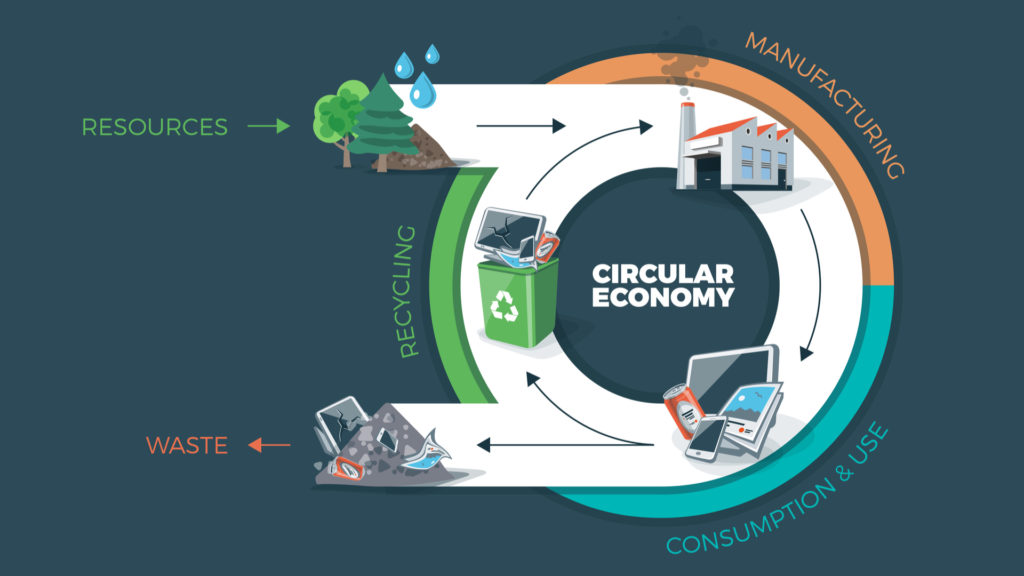
Solo el 9% de los materiales se reutilizan globalmente, a pesar de que las emisiones están estrechamente relacionadas con el uso de recursos. Sin embargo, el mundo puede maximizar sus posibilidades de evitar el peligroso cambio climático apostando por una economía circular.
The 2019 Circularity Gap Report from Circle Economy finds that most governments barely consider circular economy measures in policies aimed at meeting the UN target of limiting global warming to 1.5°C above pre-industrial levels. Launched in the first quarter of the year, during the World Economic Forum Annual Meeting in Davos, Switzerland, it highlights the vast scope to reduce greenhouse gas emissions by applying circular principles – re-use, re-manufacturing and re-cycling – to key sectors such as the built environment.
Just 9% of the 92.8 billion tonnes of minerals, fossil fuels, metals and biomass that enter the economy are re-used annually.
The report finds that the global economy is only 9% circular: just 9% of the 92.8 billion tonnes of minerals, fossil fuels, metals and biomass that enter the economy are re-used annually. Circle Economy calculates that “62% of global greenhouse gas emissions, excluding those from land use and forestry, are released during the extraction, processing and manufacturing of goods to serve society’s needs; only 38% are emitted in the delivery and use of products and services.” Thus, climate change and material use are closely linked. In this sense, according to the UN International Resource Panel, global use of materials is accelerating: it has more than tripled since 1970 and could double again by 2050 without action.
To meet the urgent need to address climate change, Circle Economy highlights three key circular strategies which could be adapted throughout the economy including fundamental principles of a circular built environment that maximises the use of existing assets, while reducing dependence on new raw materials and minimising waste: 1. Optimising the utility of products by maximising their use and extending their lifetime. 2. Enhanced recycling, using waste as a resource. 3. Circular design, reducing material consumption and using lower-carbon alternatives.
The report also calls on governments to take action to move from a linear “Take-Make-Waste” economy to a circular economy, through the use of tax and spending plans to drive change. It includes a reference to the Netherlands, that has set itself a target of becoming 50% circular by 2030 and 100% by 2050, but highlights that most governments have yet to wake up to the potential of the circular economy. In this respect, It argues that “innovation to extend the lifespan of existing resources will not only curb emissions but also reduce social inequality and foster low-carbon growth.”
ESCI-UPF and Politecnico di Milano publish a joint research paper to help organisations and consumers, respectively, with policy and decision-making through the assessment of the social risks associated with different high-protein food alternatives.
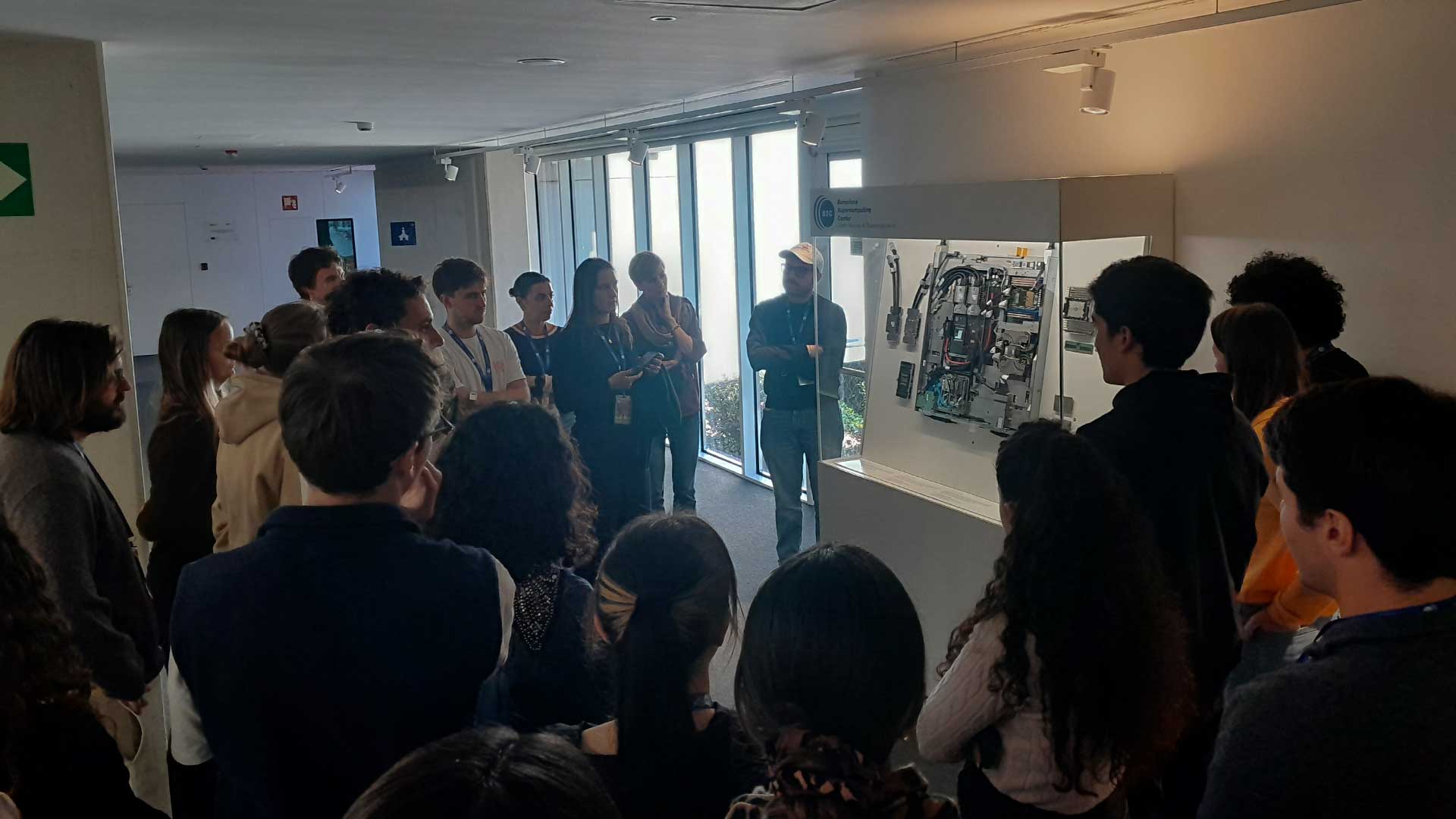
The researcher at the ESCI-UPF’s UNESCO Chair and professor Dr Ilija Sazdovski summarises the visit to the Barcelona Supercomputing Center with the students of the MScSUS.
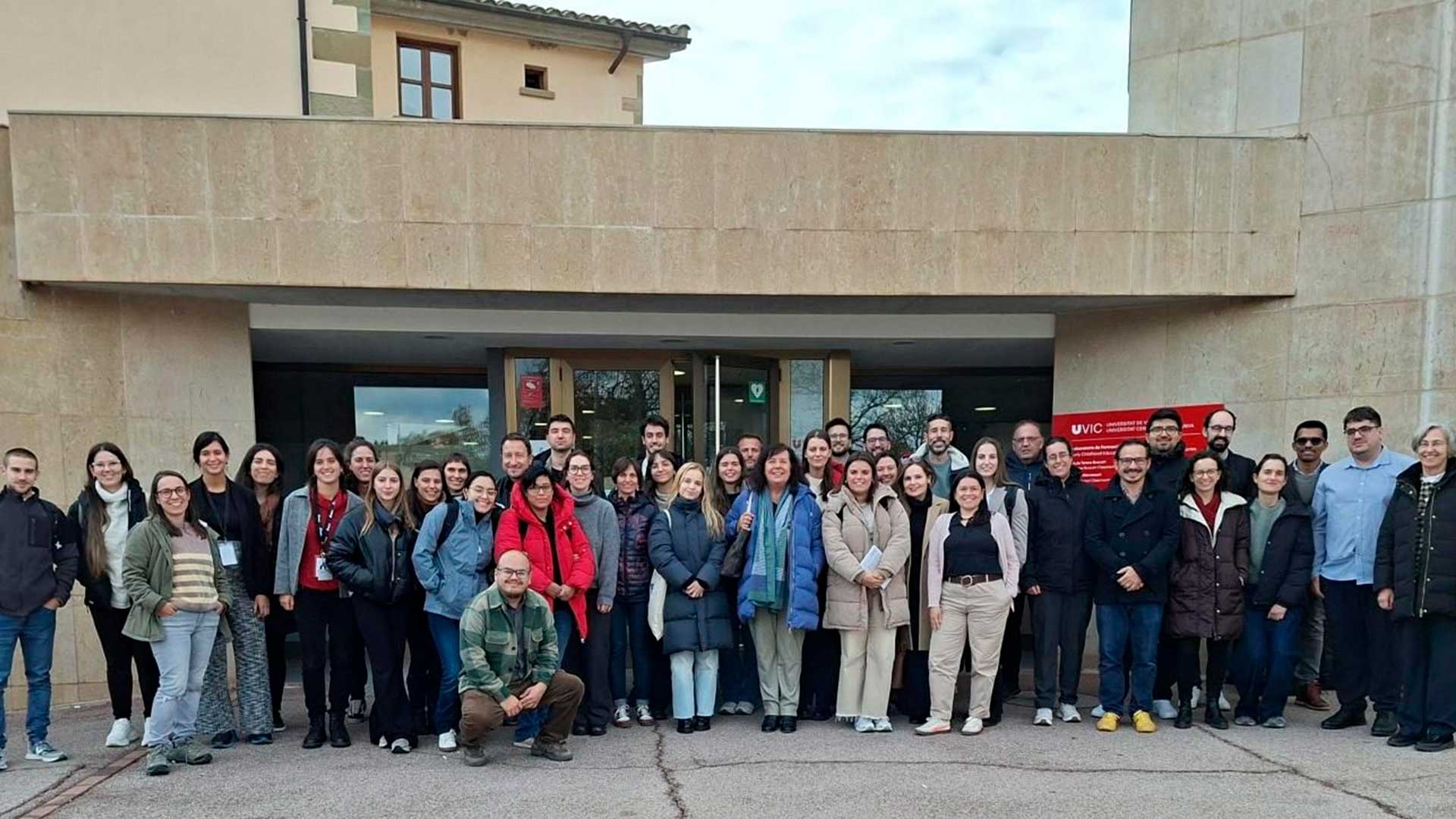
The UNESCO Chair in Life Cycle and Climate Change at ESCI-UPF participated in the event “Life Cycle Management in the Transition Toward a Sustainable Agri-Food Sector”, promoted by the Red Española de ACV was held in Vic (Barcelona) on 19 and 20 November 2025.


Leave a message