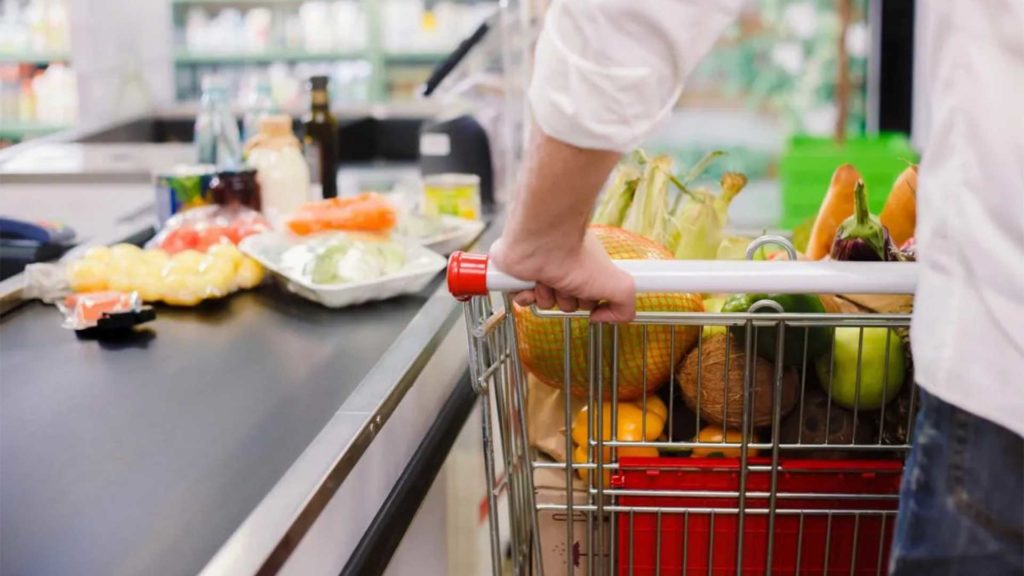
El envasado de los alimentos genera muchos desperdicios. Nuestras basuras están llenas de envases de yogur, tarros de cristal de legumbres, bandejas de fruta seleccionada, bolsas de plástico de verduras, latas, bricks de zumo… Los productos con los que se envasan los alimentos que consumimos deben ser inocuos en contacto con el alimento que contienen, pero también deben ser sostenibles. Esto es biodegradables.
Alba Bala, investigadora de la Cátedra UNESCO ESCI-UPF en Ciclo de vida y Cambio climático, junto con investigadores de otros centros han preparado materiales para producir películas con un carácter barrera mejorado, han evaluado su carácter biodegradable y han analizado su viabilidad.
La propuesta se plantea como una opción prometedora para seguir trabajando en esta línea y conseguir que el packaging de alimentos sea sostenible.
The team of the European project Greentour, coordinated by researchers from the UNESCO Chair in Life Cycle and Climate Change (ESCI-UPF), has published a new article in the journal Sustainability presenting an innovative tool to assess the environmental impact of tourism at both destination and establishment levels.
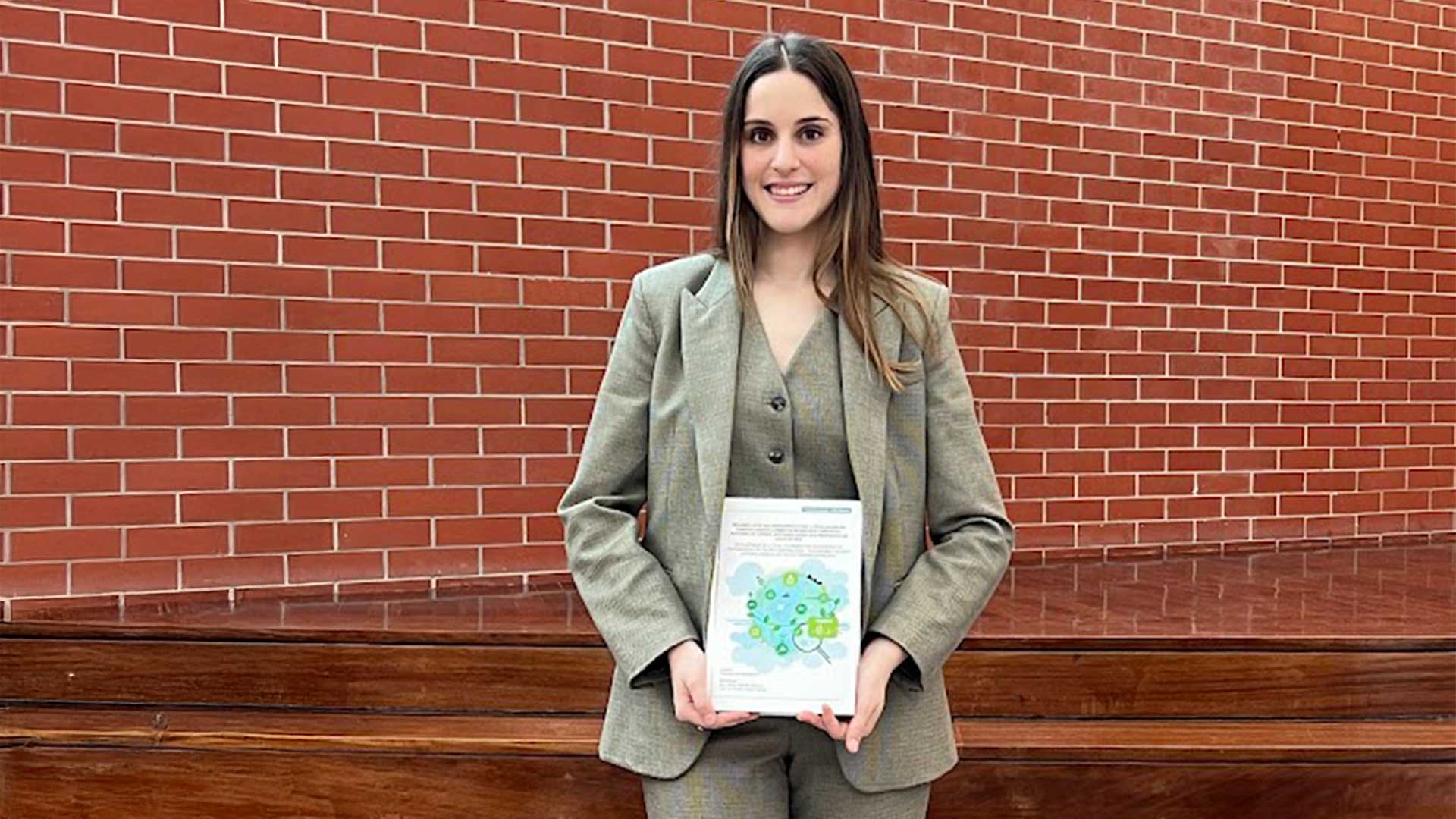
El pasado 28 de marzo, Cristina Campos, investigadora de la Cátedra Unesco de Ciclo de Vida y Cambio Climático de ESCI-UPF, defendió con éxito su tesis doctoral en la Universidad de Cantabria.
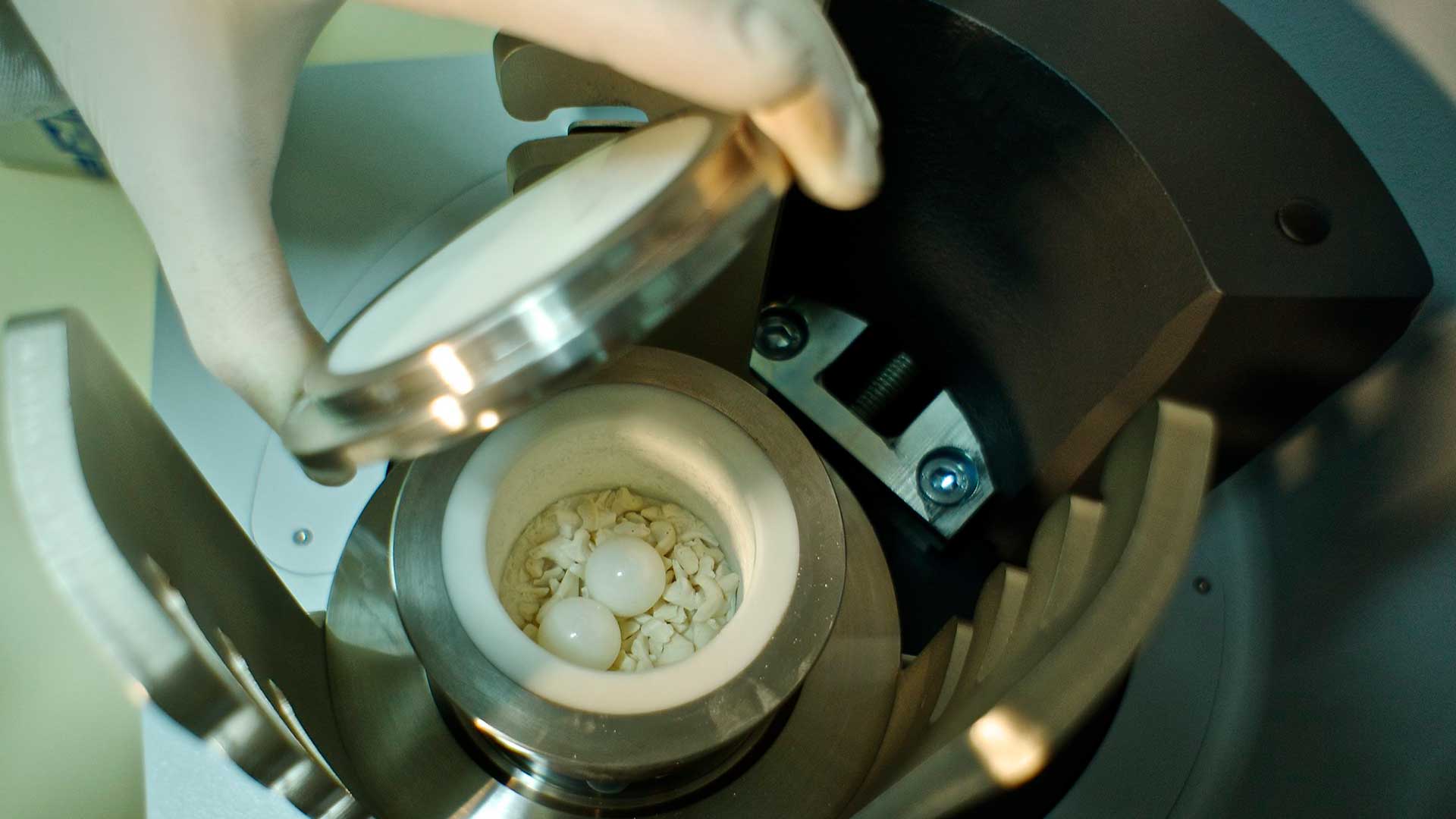
An international consortium of research institutions and innovative companies, led by the UNESCO Chair in Life Cycle and Climate Change at ESCI-UPF, has published a comprehensive review on the major contributions of mechanochemistry as a significant advancement in Green Chemistry.


Leave a message